Where Futures Take Root: The Homolje Case
Research Walk and Art Workshop
May 2, 2026
Where Futures Take Root: The Homolje Case
Research Walk and Art Workshop
Saturday, May 2, 2026
As part of the second segment of the project “Where Futures Take Root” we will spend Saturday, May 2 in Homolje through two interconnected programs: a research walk and an art workshop. Starting from the landscape as a site where natural and social processes intersect, we explore how wounded ecosystems and social fabrics are shaped within extractivist regimes, but also how collective movement, mapping, and artistic practice can open up spaces of care, memory, and regeneration. Through direct experience of the terrain and collective creation, these activities invite a careful understanding of these landscapes, as well as the necessity of struggle for their colors, scents, sounds, and silences.
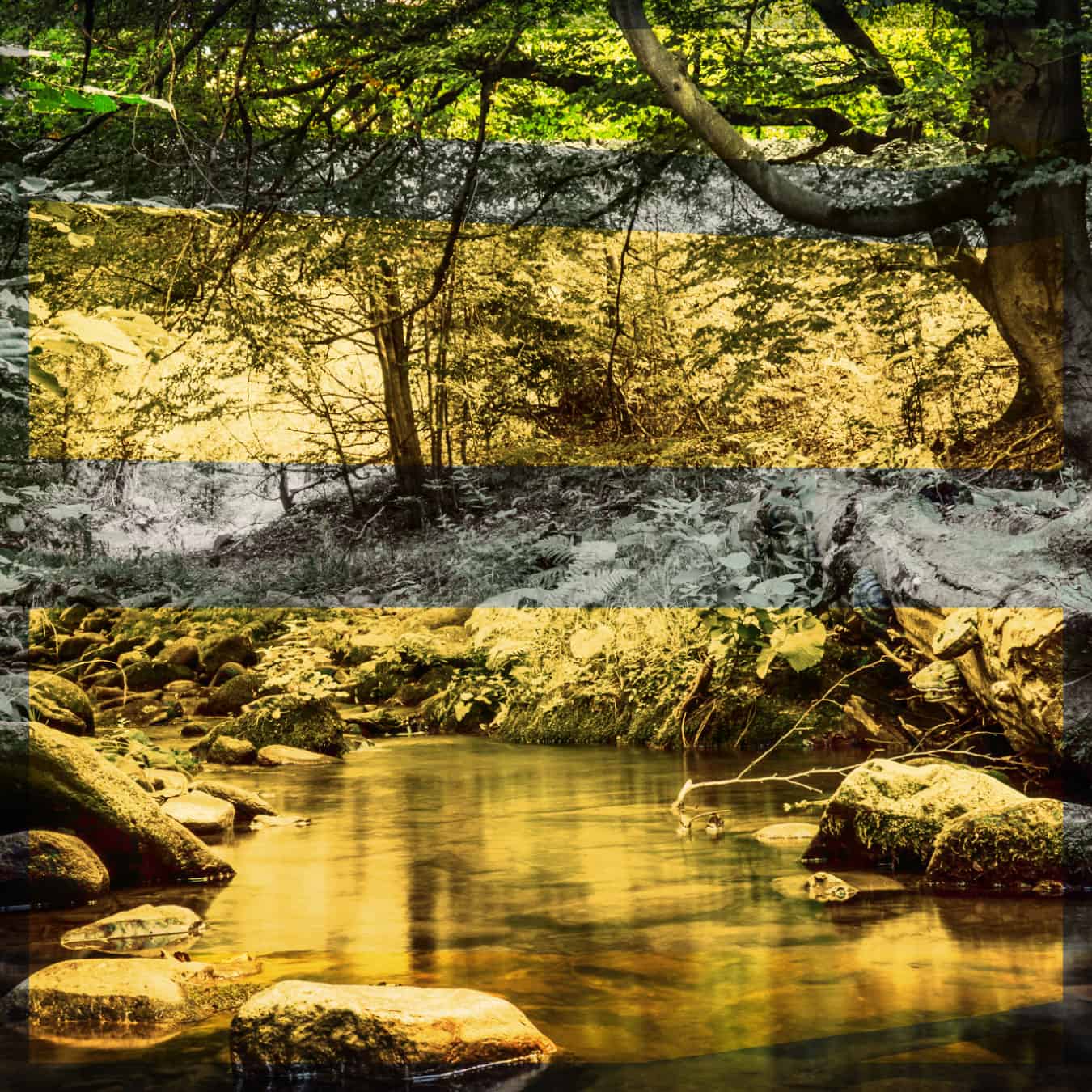
Where Futures Take Root: In the Footsteps of Homolje’s Living Landscapes A research walk through extractivism and resistance
11:00–13:00
Walk from Dumitru stream to the Rangers’ camp
The research walk “Where Futures Take Root: In the Footsteps of Homolje’s Living Landscapes” guides participants through Homolje, a nature-rich region in Serbia currently at risk by plans for a gold mine.
Homolje preserves 85% of our country’s biodiversity and contains one of the largest underground reservoirs of drinking water, belonging to the Mlava river basin. It is known for its honey-producing fields, shaded forests, and lively streams which provide habitat for endangered species such as the lynx. This landscape lies between three legally protected natural areas. Precisely in this zone, up to the borders of the parks, mining exploration is permitted – primarily conducted by Dundee Precious Metals. According to activists, the company has drilled at least 2,200 exploratory boreholes in the area.
The company’s initial plans were monstruous: extracting gold (present in the ore at no more than one gram per ton) through leaching -crushing the ore on the surface and treating it with cyanide. Following strong public opposition, this method (banned in the EU and many countries) was abandoned and replaced with plans for an underground mine. Although less visible, such a mine would not result in less destruction. What once protected this region – its low population density and inaccessibility – has now turned against it. Exploration is carried out in uninhabited forests, where there are few local residents to resist.
The only constant civic presence is represented by the Rangers of Eastern Serbia, who face state repression amounting to threats to their lives. They will guide us on a walk from Dumitru stream to their camp, sharing knowledge about the landscape, its beauty, and the pressures it faces.
The walk provides a platform for public learning and critical reflection on the surrounding landscape. Through discussion, mapping, and spatial reading, it provokes questions about resource exploitation, ecological consequences of mining development, transformations of landscapes, and the place of Homolje in contemporary geopolitical and economic processes. At the same time, the walk acts as a practice of collective memory making, inviting participants to pause, observe, and question dominant narratives of “development,” industry, and the future of nature.
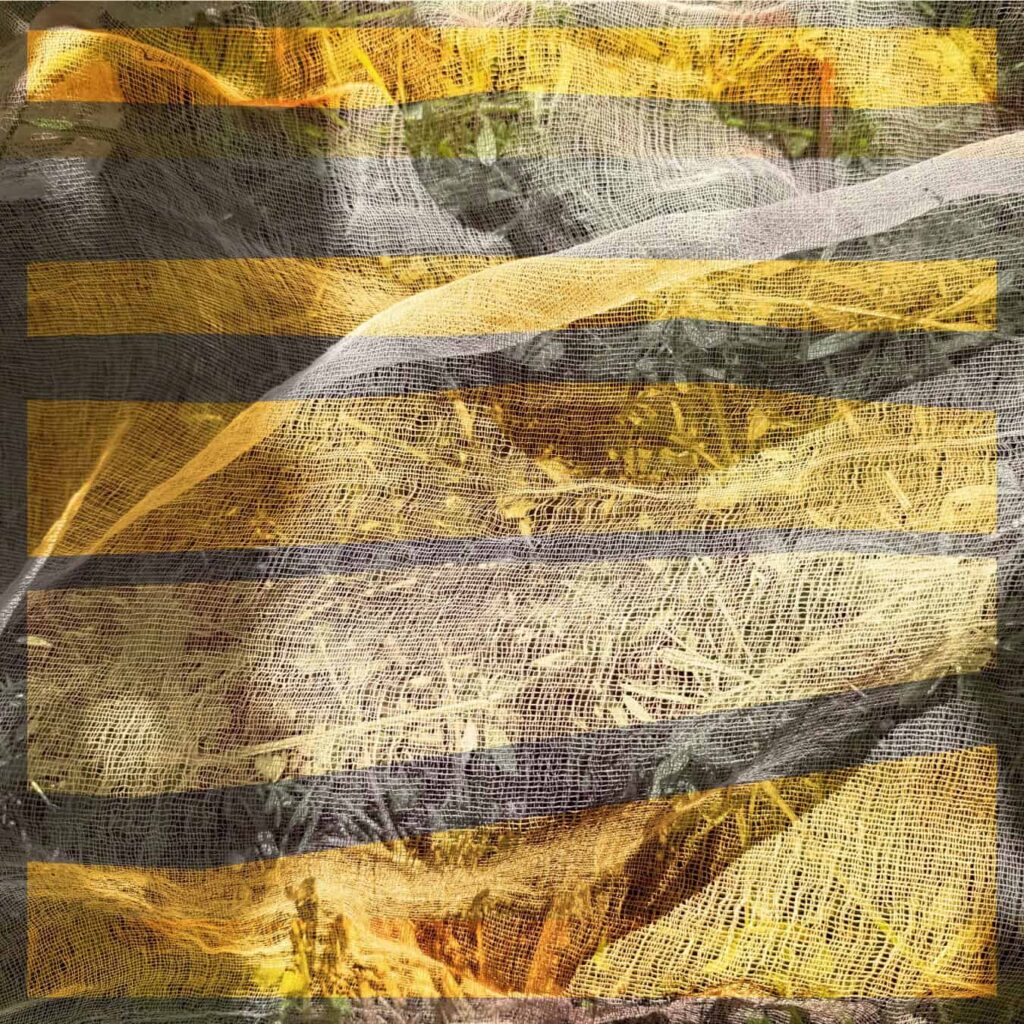
Where the Future Takes Root: On the Fragile Landscapes of Homolje An art workshop on wounded nature and the need for collective care
13:00–15:00
Location: Rangers of Eastern Serbia camp
Landscape and society are deeply interconnected, wounded bodies marked by trauma, inflammation, and chronic vulnerabilities within biopolitical regimes of exploitation. The workshop unfolds as a diagnostic and therapeutic framework: mapping wounds, understanding conditions, and searching for ways to heal. Through collaborative work on delicate gauze – fragile and translucent surfaces for interventions through text, drawing, or other gestures – a series of visual and textual compositions emerges as a collection of endangered words: values we strive toward and repeatedly return to. These gauzes, previously tinted with tones of nature and the body, become meeting points between wounded ecosystems and social fabric.
What do we focus on as we walk through wounded landscapes? What kind of future do we imagine as we witness their transformation?
The workshop is conceived as a shared space for conversation and creation around what deeply concerns us – primarily the vulnerability and protection of nature, but also broader issues. Participants inscribe regenerative values onto the gauze as a form of therapy for social solidarity and responsibility. This act marks a shift toward politics of care and empathy, where art functions as a practice of healing and renewal, rather than exploitation. The collective “bandaging” of a wounded site becomes a process of continuous care, healing, and strengthening capacities for sustainability and renewal of both nature and society. The gauzes – bearing symptoms, causes, and potential remedies – are archived as a collection of regenerative principles for future practices.
The workshop is conceived and led by visual artists Vesna Vesić and Mira Odić.
In her artistic practice, Vesna Vesić brings together experiences of performance, conceptual art, first-person video, intimate essay film, and tactile manual knowledge. Weaving narratives in soft, organic wool, her site-specific installations, performative actions, and collaborative processes function as interventions – responses to existing conditions within architectural, archaeological, and historical contexts. Intertwining autobiographical and social narratives, she reflects on both historical and contemporary artistic languages, maintaining a critical and engaged position toward civilization and historical consciousness, as well as toward forms of collectivity and the emotional and affective bonds upon which communities are built.
Mira Odić is a visual artist and Doctor of Arts who has been exhibiting independently since 2000. She lives and works in Belgrade. Alongside her artistic practice, she is engaged in creative education through programs and projects she develops independently or in collaboration with colleagues. Her work is deeply rooted in the exploration of environment, nature, the creative process, and human existence in the world. Driven by curiosity, she develops her artistic practice through a multimedia and transdisciplinary approach. At its core, her work is guided by what we lack most – love and joy – despite the realities of everyday life, which can only be transformed through inner change.
★★★
The research segment “Where Futures Take Root: The Homolje Case” is part of the long-term curatorial-artistic and research project of the Kontekst collective, titled “Where Futures Take Root: Collective Practices of Resistance, Solidarity, and Future-Building” (2025–ongoing). The project addresses extractivism as a regime-economic, political, and ideological – that shapes and destroys nature, living worlds, and social relations. It brings together artistic collectives, artists, researchers, and local communities around shared struggles against the exploitation of natural resources, the transformation of landscapes into extractable assets, the erosion of labour rights, and deepening spatial and social inequalities.
Through research, workshops, working meetings, and public programs, engaged artistic practice meets local knowledge and struggle. These encounters function as spaces of exchange, learning, and collective reflection – but also as contributions to connecting struggles that are often isolated and left to fend for themselves.
The project is supported by the Rosa Luxemburg Stiftung Southeast Europe.


