Where Futures Take Root: The Case of Bor
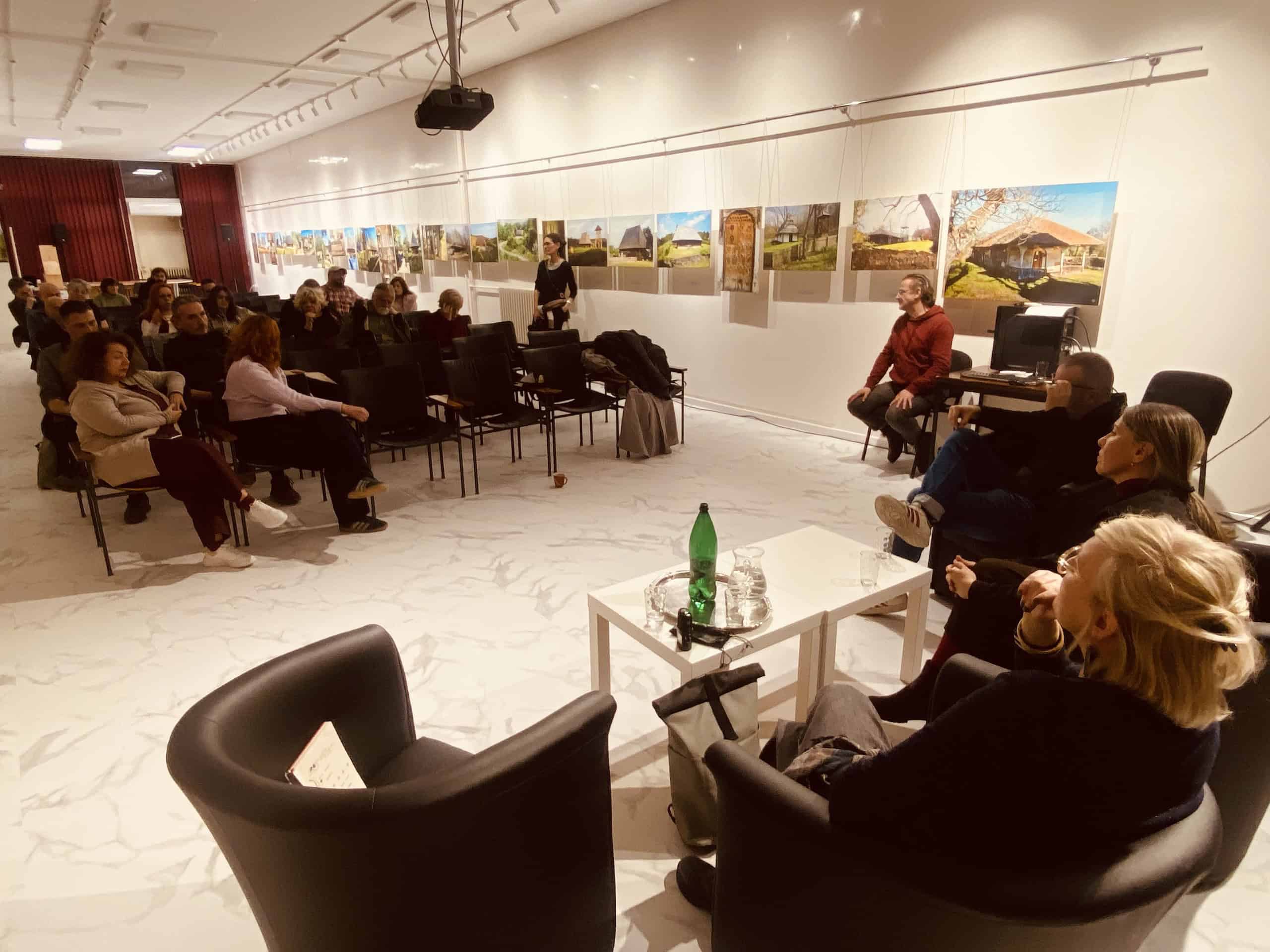
film screening and discussion
March 20, 2026, 18:00
Where Futures Take Root: The Case of Bor
film screening and discussion
Friday, March 20, 2026, 18:00
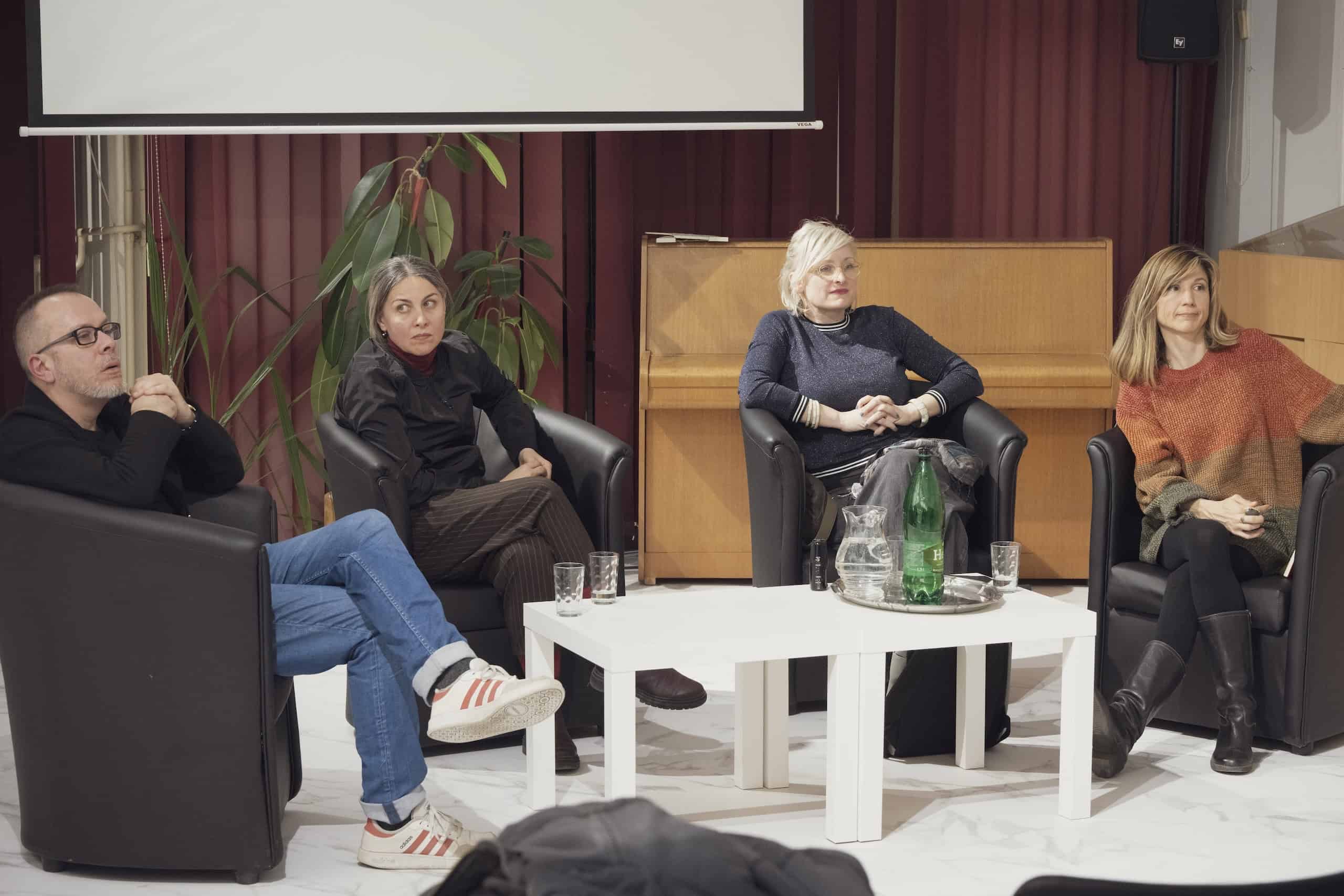
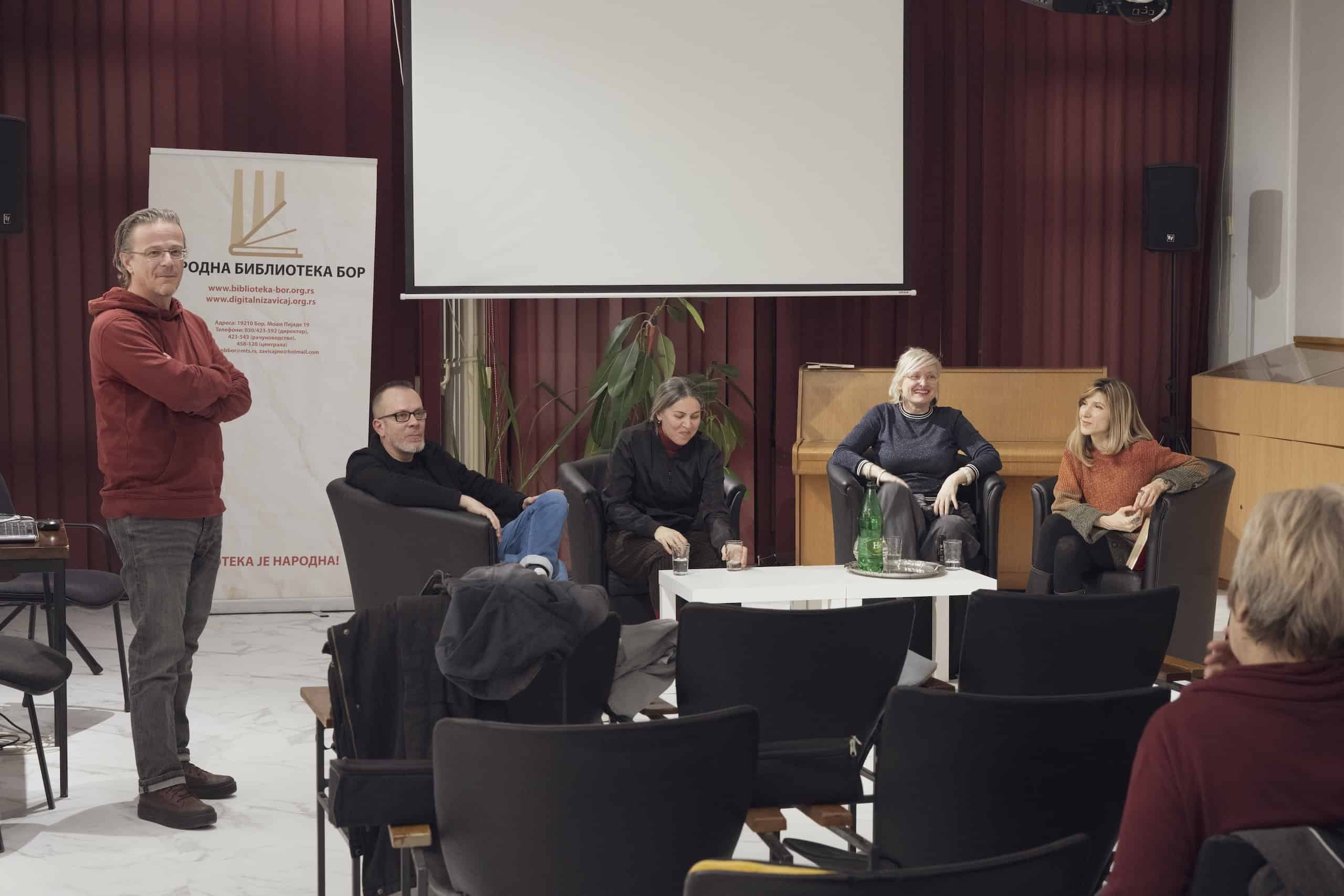
Participants:
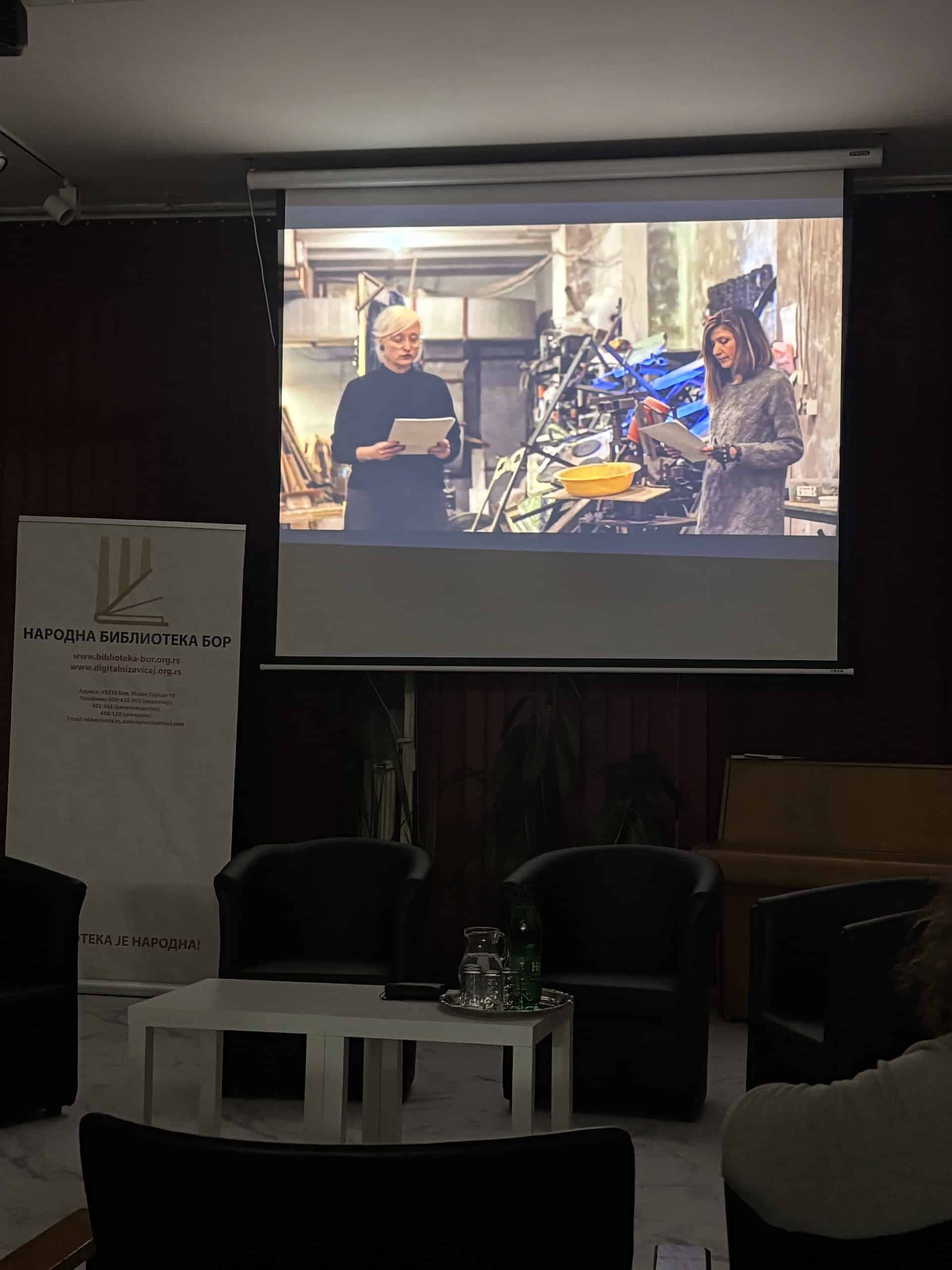
Isidora Ilić and Boško Prostran (artist duo doplgenger), Iskra Krstić and Vida Knežević (Kontekst Collective)
Moderation: Dragan Stojmenović (National Library, Bor)
National Library, Bor
Moše Pijade 19, Bor
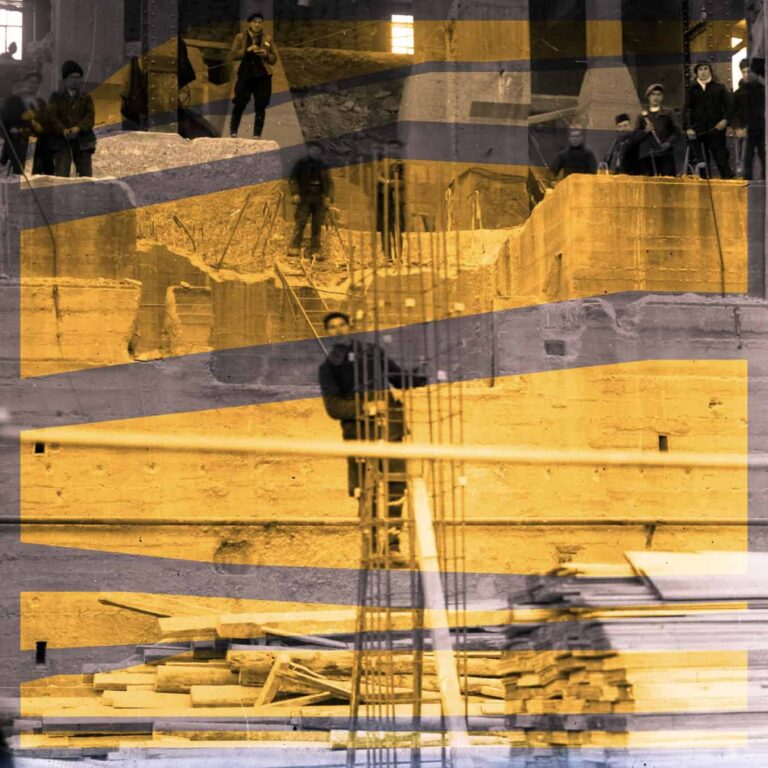
The short film essay “Where Futures Take Root: The Case of Bor” was created through collaboration between Kontekst Collective and the artist duo doplgenger during 2025 and 2026. In the essay, we connect collective knowledge, previous experience and research, as well as the production of new meanings through an experimental film language. Through the paradigmatic example of the mining town of Bor and the neo-colonial relations that accompanied the development of mining in this region of Serbia, the theme of mining is linked to the processes of global extractivism in both historical and contemporary perspectives. The close connections between extractivism and war, and the growing militarization intertwine through montage sequences with the narratives of antifascist and anticapitalist struggle articulated through the language of art. At the center of the research are not only the scale of destruction, but also the persistence of resistance. The inspiration and starting point for the research were the poems of Miklós Radnóti, the Hungarian poet imprisoned in the labor camp of the Bor mine, which during World War II produced one quarter of the Third Reich’s military demand for copper.



★★★
The research segment “Where Futures Take Root: The Case of Bor” is part of the long-term curatorial, artistic and research project of Kontekst Collective titled “Where Futures Take Root: Collective Practices of Resistance, Solidarity and Future-Building” (2025 – ongoing), which addresses extractivism as a regime — economic, political and ideological — that shapes and destroys nature, the living world and social relations. The project brings together art collectives, artists, researchers, as well as various local communities around shared struggles against the exploitation of natural resources, the transformation of landscapes into resources, the exhaustion and erosion of labor rights, and ever deeper spatial and social injustices. Through research, workshops, working meetings and public programs, engaged artistic practice meets local knowledge and struggle. These encounters serve as spaces of exchange, learning and collective reflection — but also as a contribution to connecting struggles that are often isolated and left to confront these processes on their own.
The project is supported by the Rosa Luxemburg Stiftung Southeast Europe.