Critical Machine
Seminars (2014-2015)
Seminar I : Analysis of the public sector and the possibilities of its defense against neoliberal pressures
Mentor: Ivan Radenković
The public sector has become the main topic of political and economic discussions in Serbia. The public is dominated by statements such as: “Bulky administration and loss-making public companies are the biggest burden on the Serbian economy in times of crisis.” Such discourse, created by neoliberal propagators of “reforms”, serves as a justification for the reductions of the administrative part of the public sector to the limit, which leaves a large part of the jobs in the sector to private companies. On the other hand, space is also opening up for the privatization of lucrative public enterprises. Due to the economic crisis, it seems certain that the authorities will try to sell some of the large public service systems, in order to ensure a greater flow of money into the state budget. This will probably bring a brief respite for state finances, but also additional problems for the population in the future.
Another problem of the public sector that is used as a justification for its destruction is the continuous employment of (constantly) growing number of party members. Due to the complete destruction of industrial production, insufficient investments and the economic crisis, the public sector has become the main resource of political parties. As a resource, public companies are used for the material enrichment of individuals from party leaders, but also for financing the parties themselves.
It is undeniable that the role of the public sector in modern society needs to be redefined, as well as the democratization of its management. The aim of the seminar is to reflect and articulate the role and functioning of the public sector and to try to present arguments in its defense against neoliberal attacks.
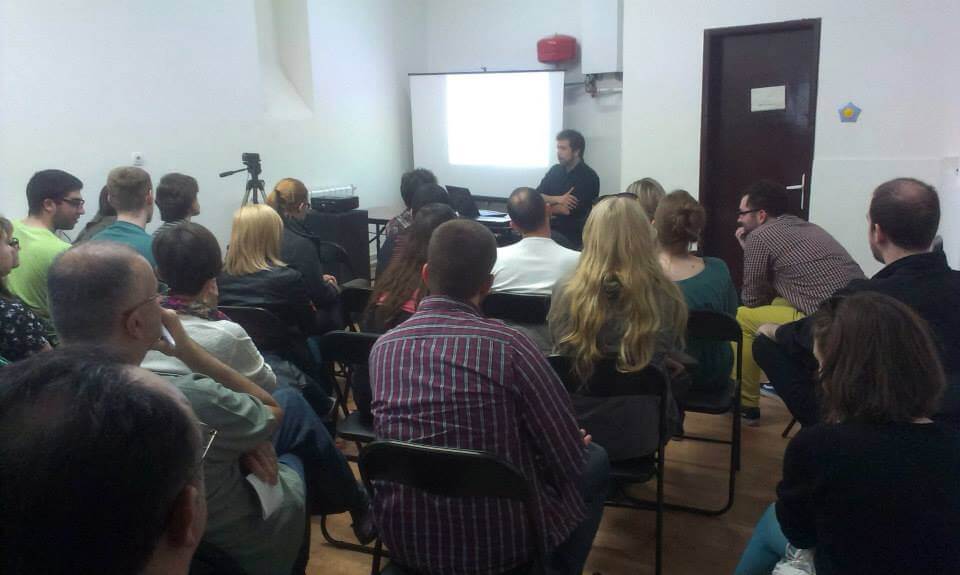
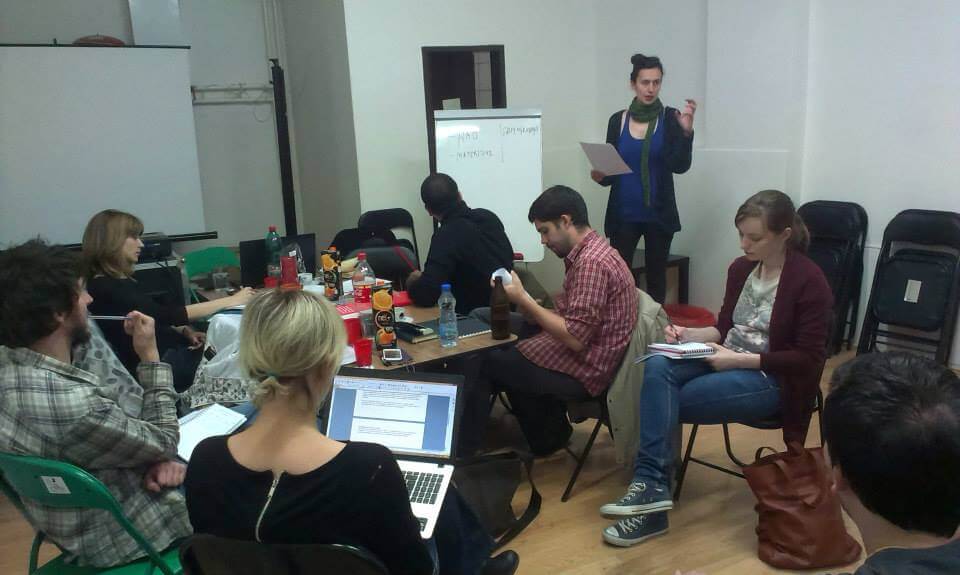
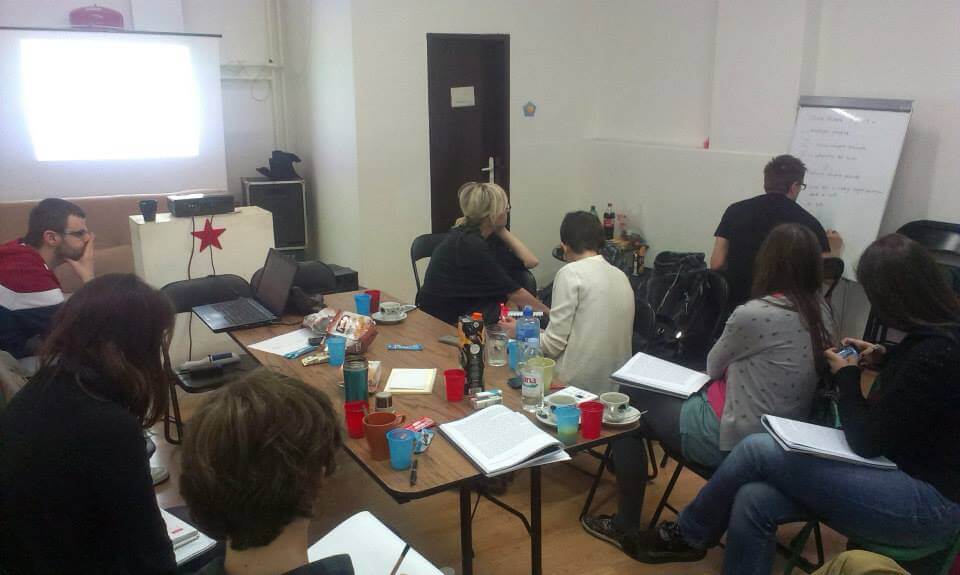
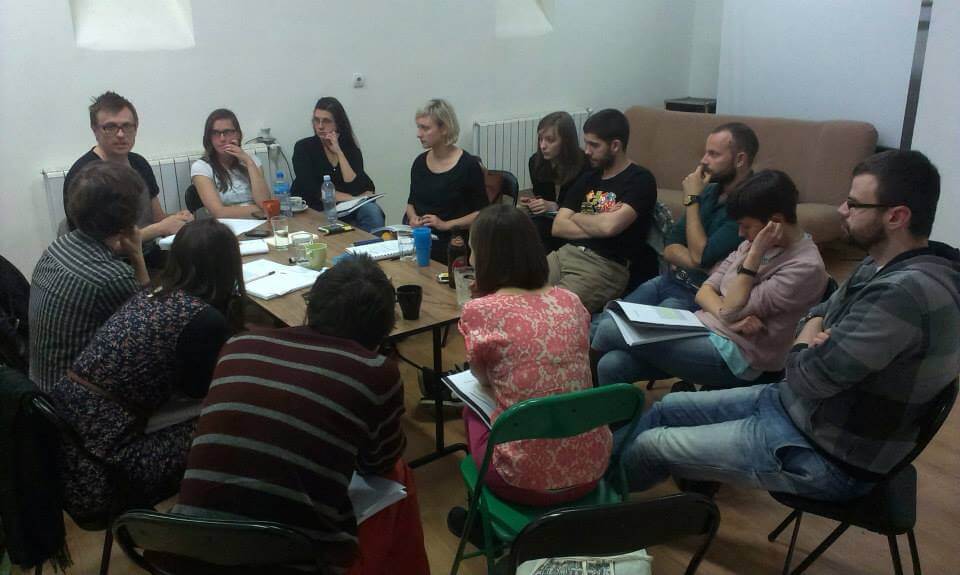
Seminar II: Housing policy and its impact on society
Mentor: Iva Marčetić
The privatization of the societal housing fund at the end of the eighties of the last century was one of the starting points of the restitution of capitalism in the former Yugoslavia. Within the framework of the socialist system, comprehensive social construction created a large fund of housing units and modern settlements, which were also provided with infrastructure facilities necessary for living in an urban environment. Conversely, capitalism has turned this need for a decent life and housing into a possibility reserved for those who can afford private property. This change meant the complete commodification of living space needs, which are now being met on the market by private investors instead of the state.
The seminar will open questions about different models of housing policy in Serbia and the region, primarily juxtaposing the socialist model with today’s entrepreneurial model. Starting from a class perspective, the seminar will deal with the problems and contradictions that have opened up during the mentioned social transformation – on the one hand, the increased number of housing units, and on the other, the increasing number of people without a place to live; the issue of legalization; the way in which modern investors get space for construction and how they increase the square footage of their buildings, etc.
Seminar III: Critique of Dominant Media Narratives
Mentor: Boris Postnikov
Neoliberal pressures in socialist countries produced a great increase in the commercialization of media, culture and art, which gradually led to their moving away from their (sometimes merely nominal) role in mediating and articulating public and social interest. The questions that this seminar will address are: In what way can we produce and use a critical machine in order to establish the negation of the dominant media narrative, its conformist logic that denies the presence of the contradictory reality in which we live, and in this sense, how to raise, again and again, a critique of the established system of life?
The framework of this seminar will be broad and will leave the possibility for the participants to include culture and art (music, theater, film, literature, etc.) as well as the media (e.g. various TV productions and debate shows, news, etc.) for the field of analysis, according to their own interests, either directly or indirectly.