Inex-film: World Communal Heritage
Expedition Inex-film
self-organized collective action of using social property / exhibition / debate (2011)
April 23, 2011
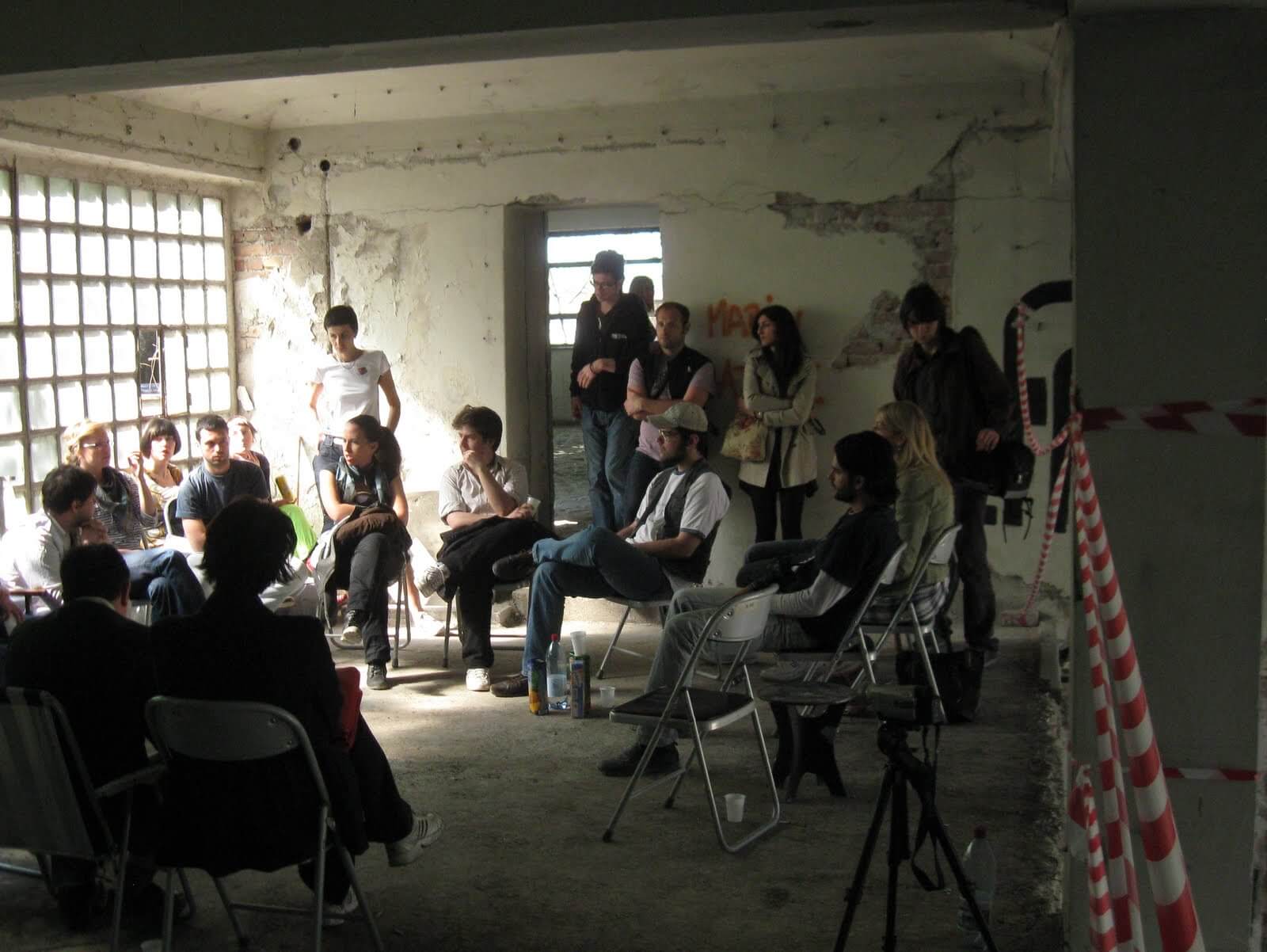
The abandoned “Inex-film” building
76 Višnjička, Palilula, Belgrade
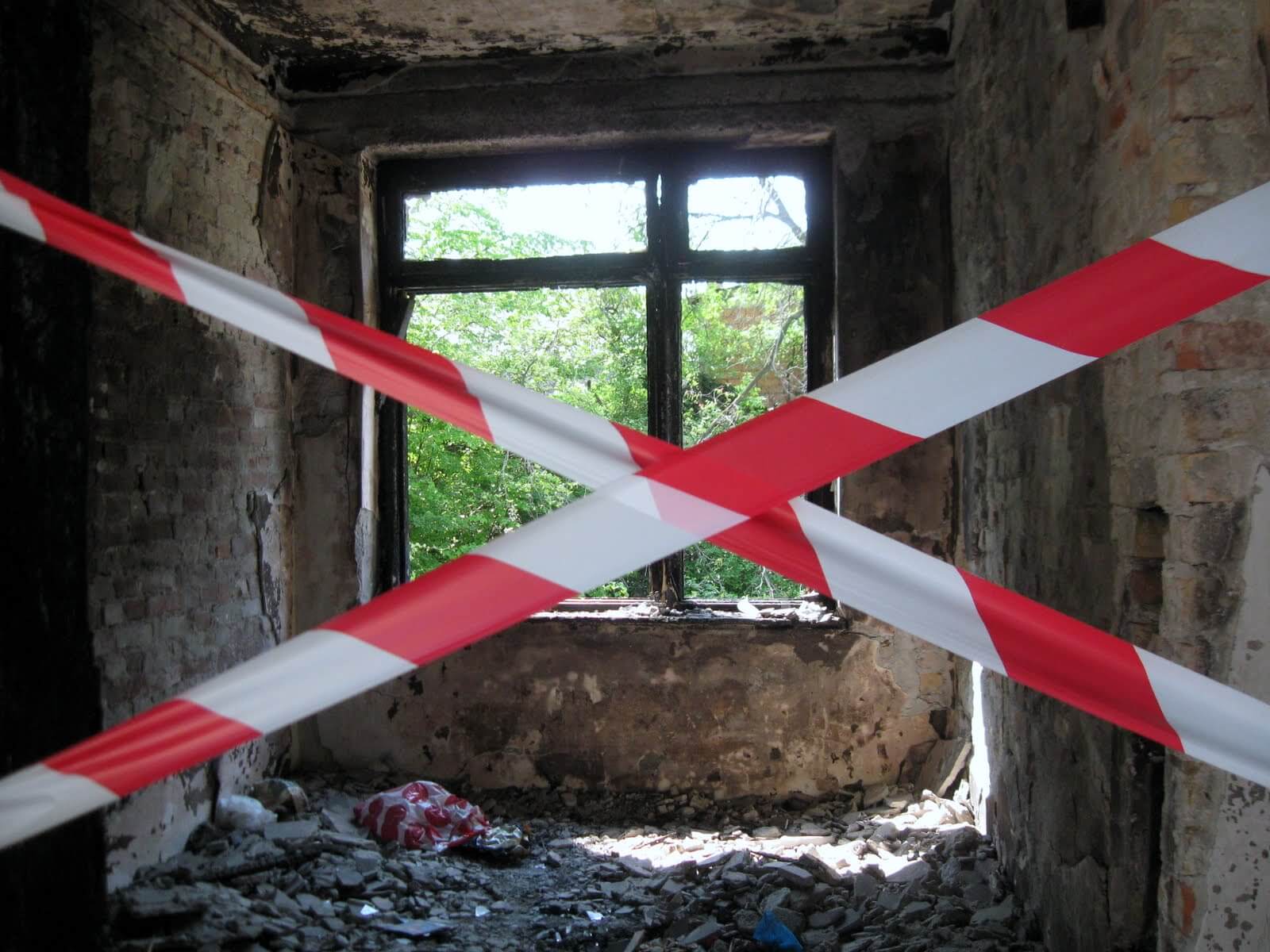
Inex-film was a social cinematographic enterprise that was engaged in film production and distribution and which was part of the former giant company under the umbrella name “Inex”. “Inex” was one of the largest foreign trade companies of the former SFRY, with large assets in the country and abroad, the value of which was estimated at several hundred million euros. Today, the “Inex-film” building in Višnjička Street is abandoned and devastated, there are no longer any traces of its history, so that it can only be viewed through the paradigm of the brutal capitalist transition and privatization that we have witnessed in the last twenty years. Do you remember the films Bugs in the Head (1970), Republic of Užice (1974), Handymen, Handymen (1980), Man with Four Legs (1983) or Oktoberfest (1987)? These are just some of the large number of titles that marked the era of Yugoslav cinema, in the production or distribution of which “Inex-film” participated.
Because of the symbolic value that this space had in the context of cultural production in the Yugoslav heritage, as well as the fact that it was created as part of the social property of the then socialist society, we consider its use as a legitimate act of using common infrastructure for the needs of contemporary collective production and exchange of knowledge, cultural and activist content.
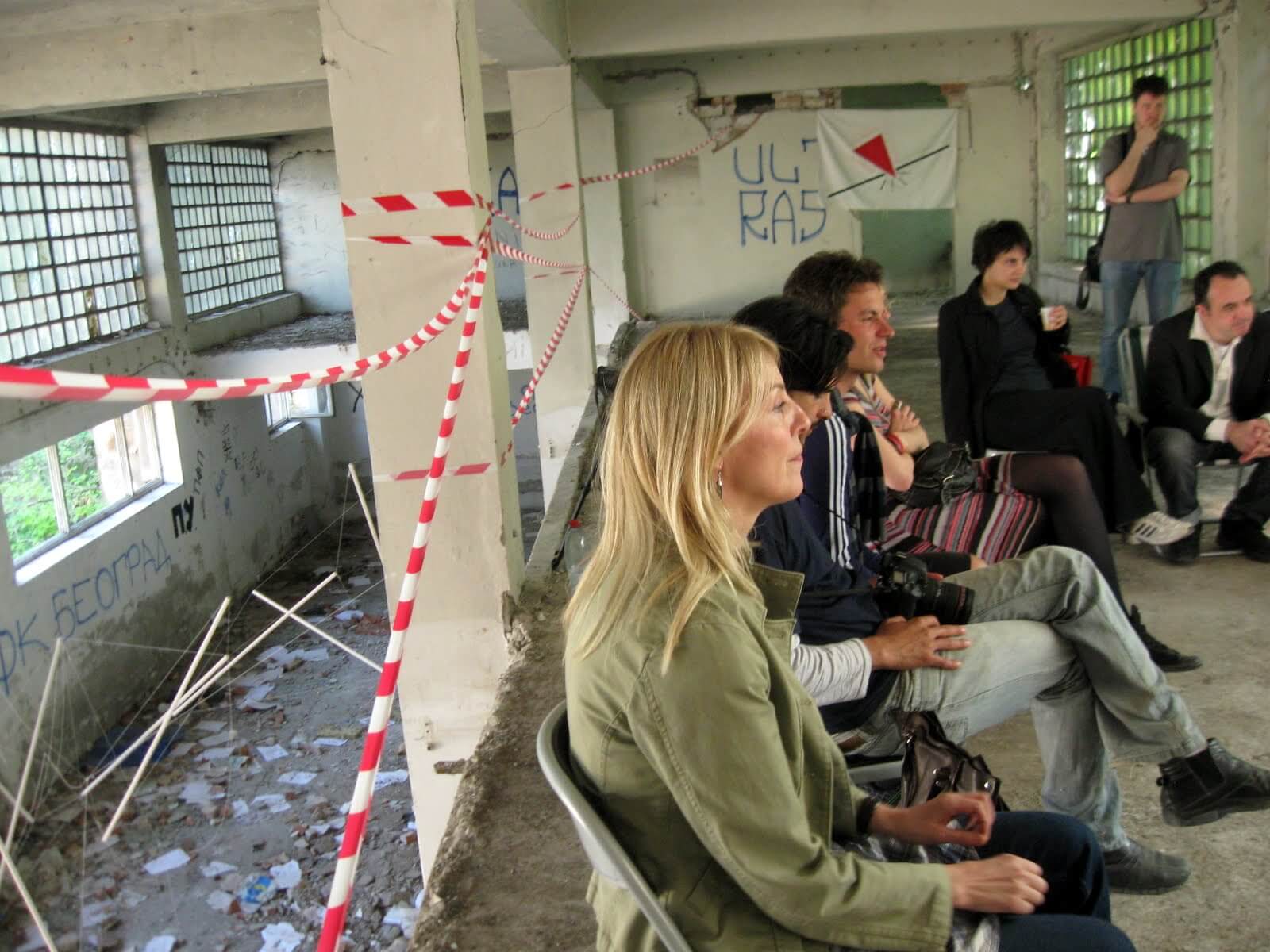
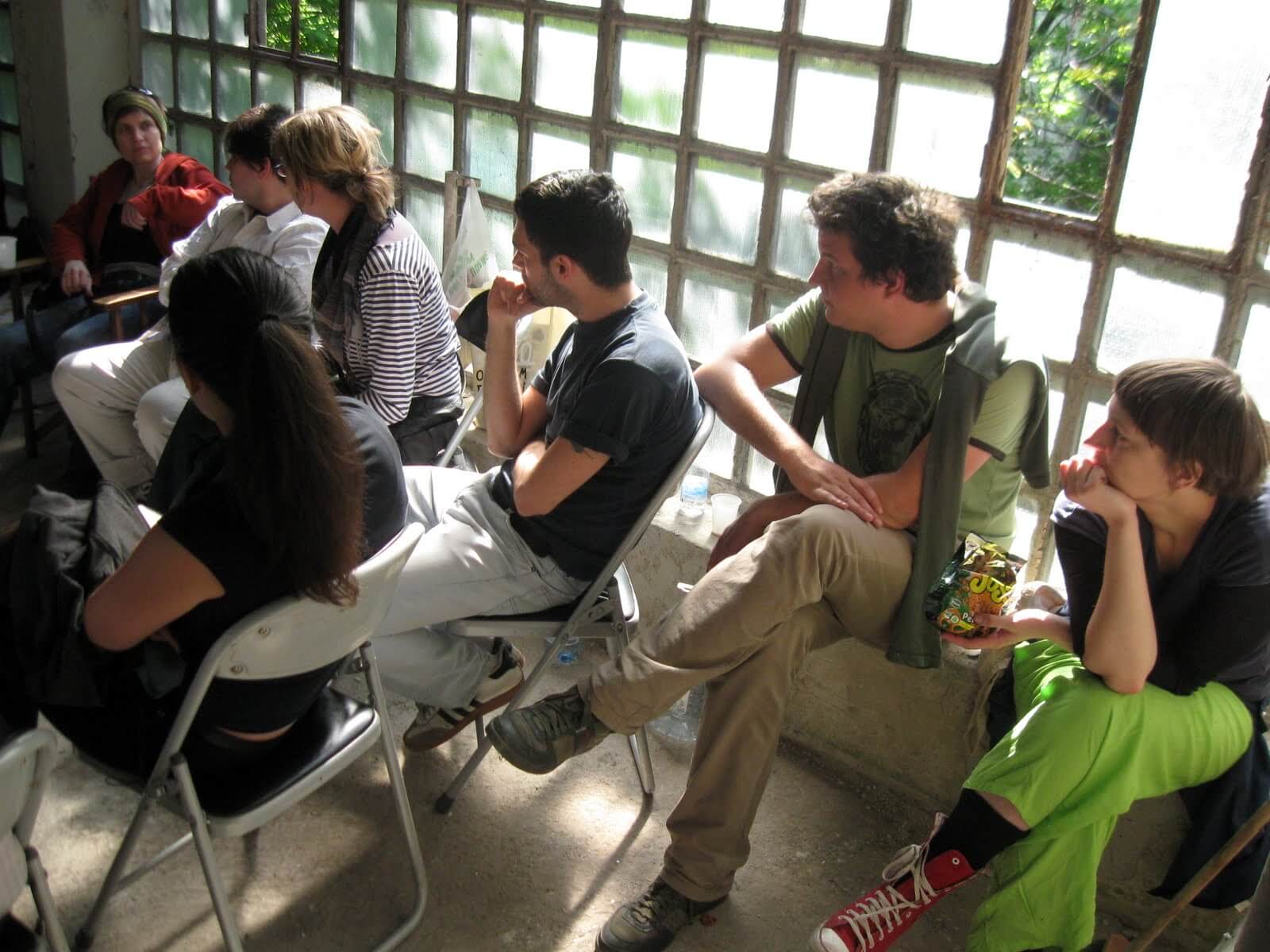
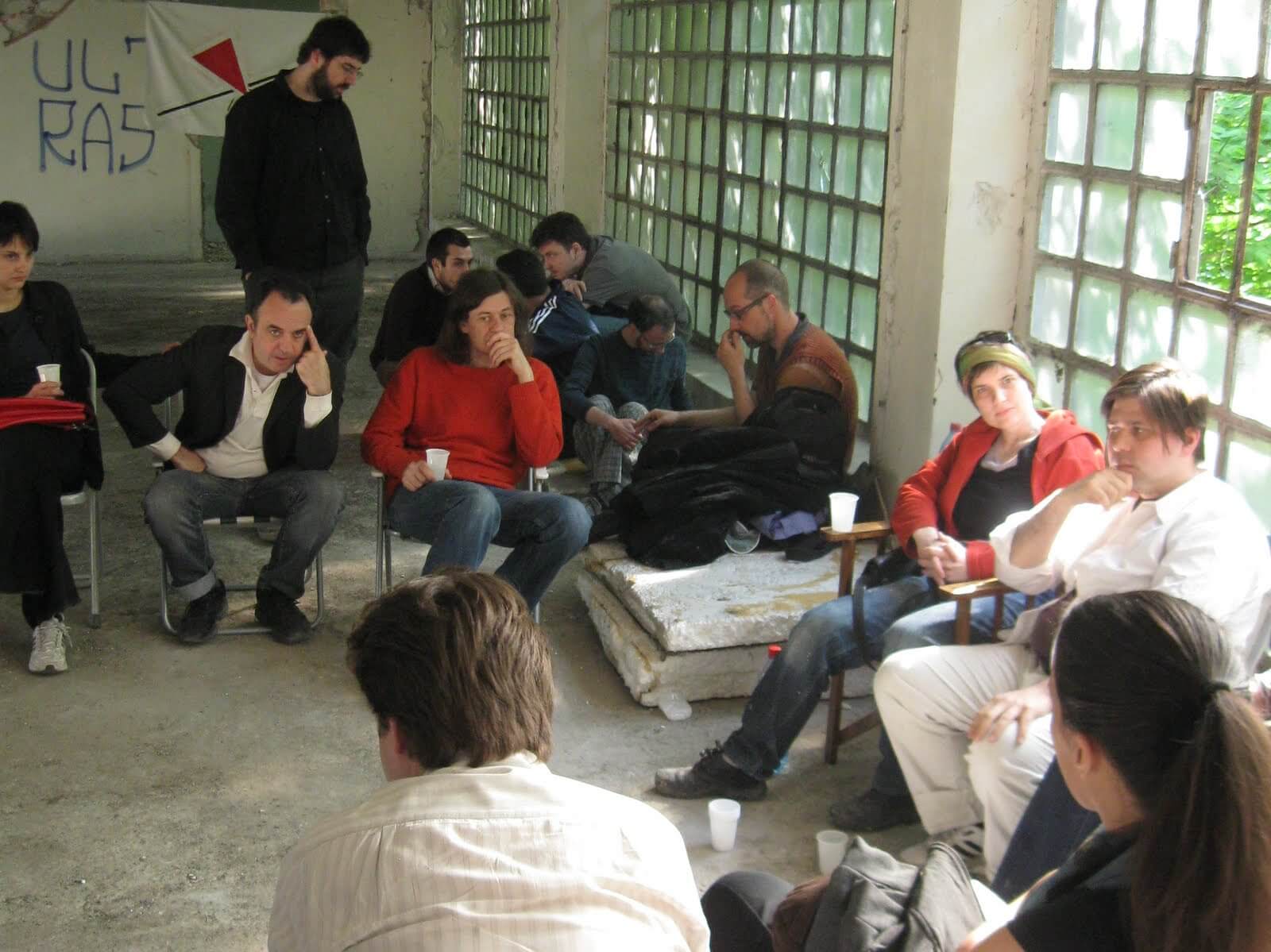
Program:
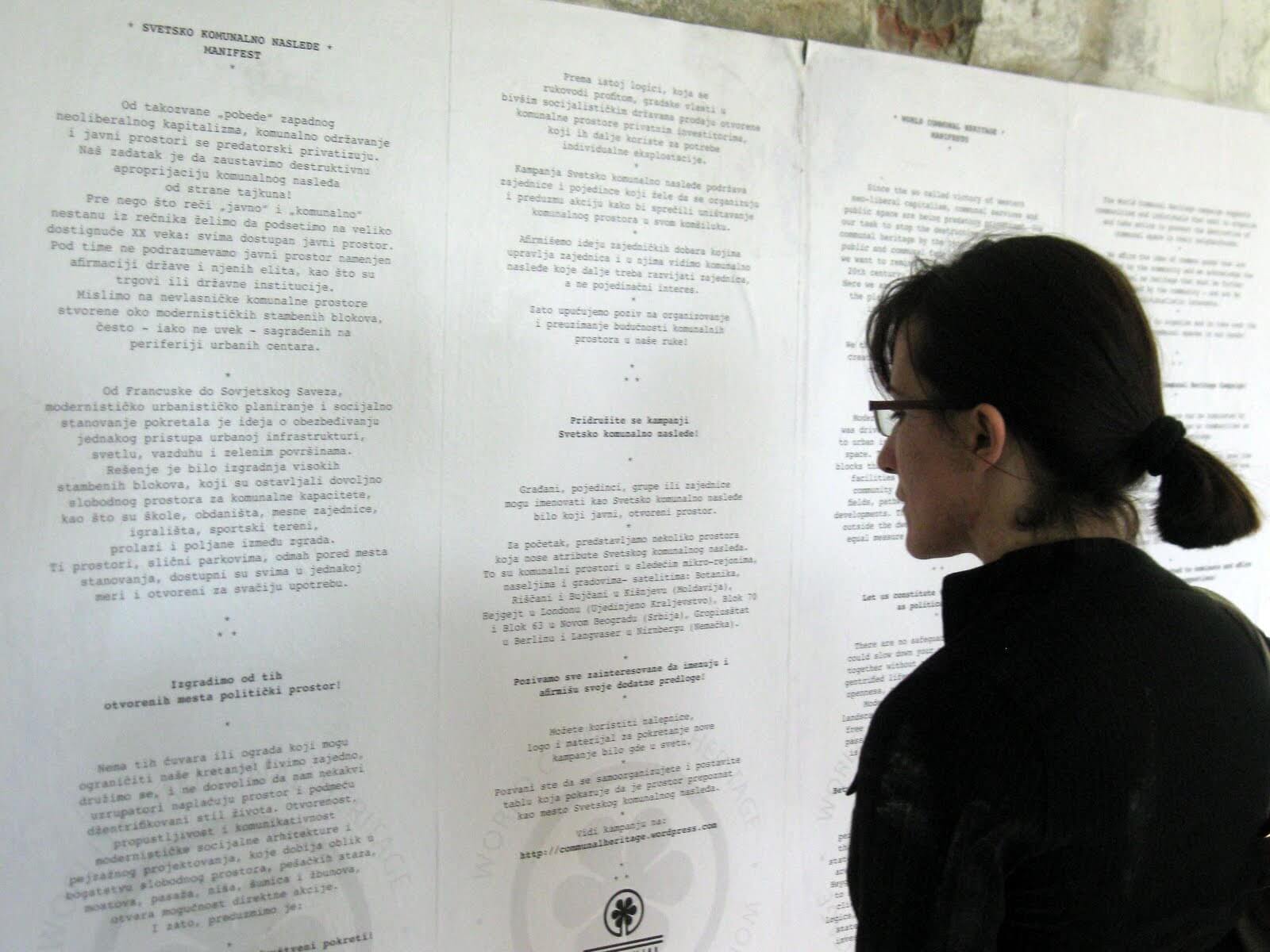
World Communal Heritage
Rena Readle and Vladan Jeremić
exhibition
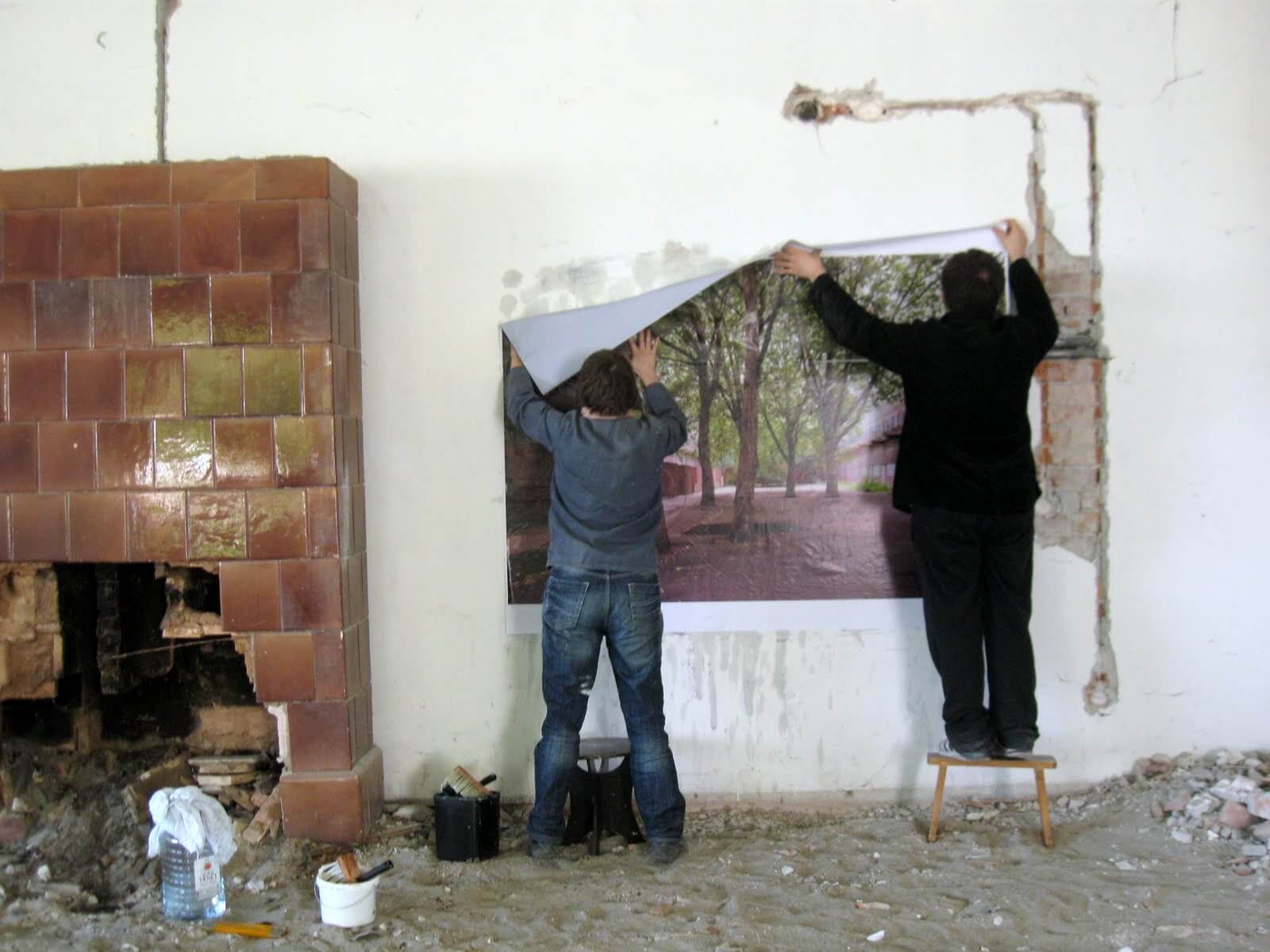
World Communal Heritage is a campaign launched by Rena Readle and Vladan Jeremić with the aim of affirming the architecture of modernism and the quality of housing provided by built spaces from that period. World Communal Heritage supports active involvement of self-organized communities in the recognition and defense of communal heritage.
At the exhibition held in the “Inex-film” building, several spaces that bear the attributes of the World Communal Heritage will be presented. These are communal spaces in the following micro-regions, settlements and satellite cities: Botanika and Riščani in Chişinău (Moldova), Highgate Estate in London (United Kingdom), Block 70 and Block 63 in New Belgrade (Serbia), Gropiusstadt in Berlin and Langwasser in Nuremberg (Germany).
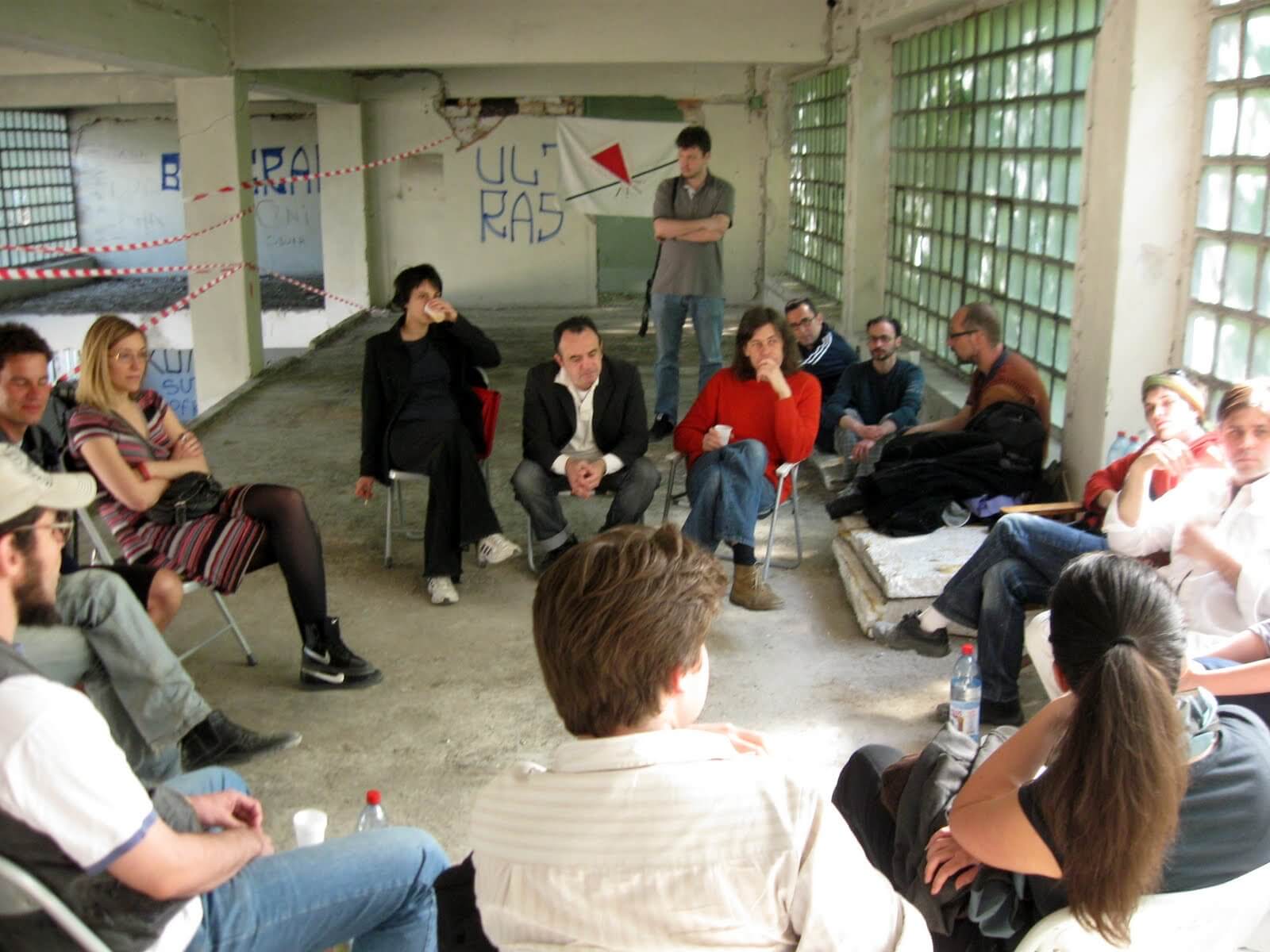
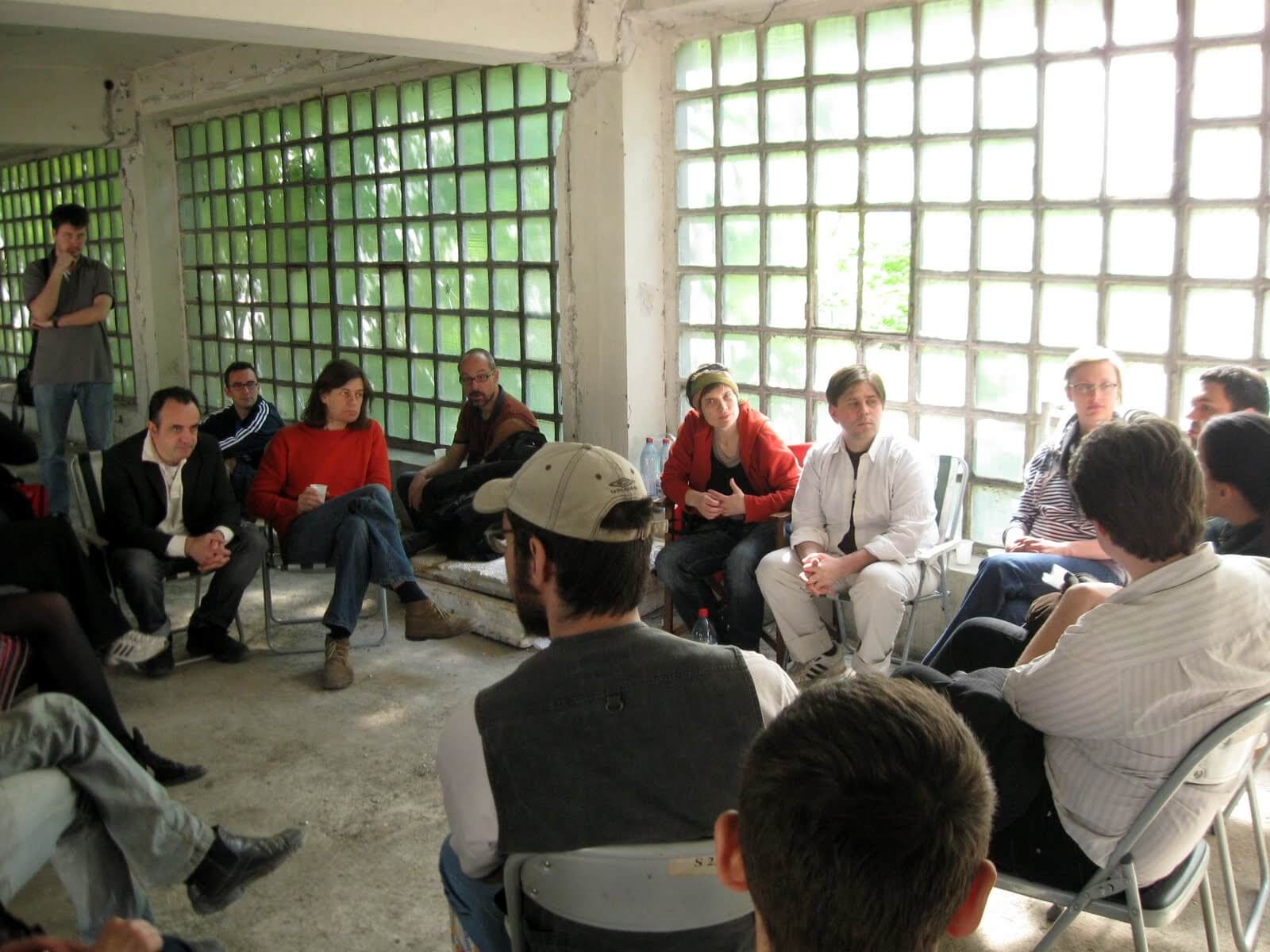
After the exhibition, the conversation about communal heritage and broader issues that this campaign raises will be opened by: Rena Readle and Vladan Jeremić (artists and activists from Belgrade) and Vida Knežević, Marko Miletić (Kontekst kolektiv). Organization: Kontekst collective, within the Struggle for Autonomous Space project
Organised by: Kontekst collective, within the Struggle for Autonomous Space project
Part II:
“Glutin”
Video: Vladimir Bjeličić, Photo: Jovana Ćetković
May 14, 2011
Video projection and conversation
Glutin is a bone meal factory located on the outskirts of Belgrade, in Padinska Skela. The factory was privatized in 2003, and has not been operating since 2005, it was officially closed by order of the veterinary inspection, due to fears that organic waste from the factory could cause a minor environmental disaster. The workers have not been paid, they are on hunger strike, the machinery has corroded. Soon, the factory grounds became an uncontrolled dump of animal carcasses.
This video was created spontaneously, after learning about an acute problem. It was created, first of all, as a reaction to the disintegration of a social system. Strikes, discontent, corruption, poverty are just some of the characteristics of the transition. It is precisely in the conditions of the capitalist transition, in the mechanism in which socialist factories no longer function, due to malfeasance by private individuals and state structures, that the story of Glutin takes place.
An abandoned, devastated factory with heaps of animal corpses in its vicinity is only a metaphorical image, poetic and grotesque, which shows in the best possible way all the bitterness of reality. Frightening and fascinating, those piles of animal remains are an authentic memento mori. They outline the transience of human, and at the same time, working life. The scenes of the bone dump are reminiscent of the scenes of concentration camps; the impression of chills raises the question of whether animal life is less valuable than worker life. Is there a difference between a human corpse and an animal corpse?
Vladimir Bjeličić
Organised by: Kontekst collective, within the Struggle for Autonomous Space project