Youth Cultural Centers of Belgrade – Part II:
Self-management, economic change and culture
Youth Cultural Centers of Belgrade – Part II:
Self-management, economic change and culture
September 11, 2012.
Gallery of the National Museum in Pančevo, 7 Kralja Petra I Square
The program was realized as part of the 15th Art Biennale “De/re/construction: space, time, memory”, organized by the Pančevo Cultural Center.
The conversation was held as part of the program of the Biennial of Arts in Pančevo under the title “Youth cultural centers of Belgrade. Part II: Self-management, economic changes and culture” and is a continuation of the work we started in the workshop “Youth cultural centers of Belgrade” organized during May and June 2012. The topic of the workshop and discussion is the process of transformation of youth cultural institutions created during socialist Yugoslavia into institutions of the national neoliberal capitalist state. A whole series of institutions in the former Yugoslavia were initiated with the aim of opening space for the youth; let’s mention just a few: Belgrade Youth Center (1964), Student Cultural Center, Belgrade (1968); Cultural Center “Student City”, Belgrade (1971); they were created as a result of the socialist cultural policy that firmly linked culture and education. Although these institutions were not founded with the same goals, they all showed strong support for alternative and autonomous artistic production, especially the younger generation, for a very long time. However, due to various, often contradictory, political and economic changes that marked the entire self-governing period, the mentioned institutions over time distanced their work from the principles on which they were founded.
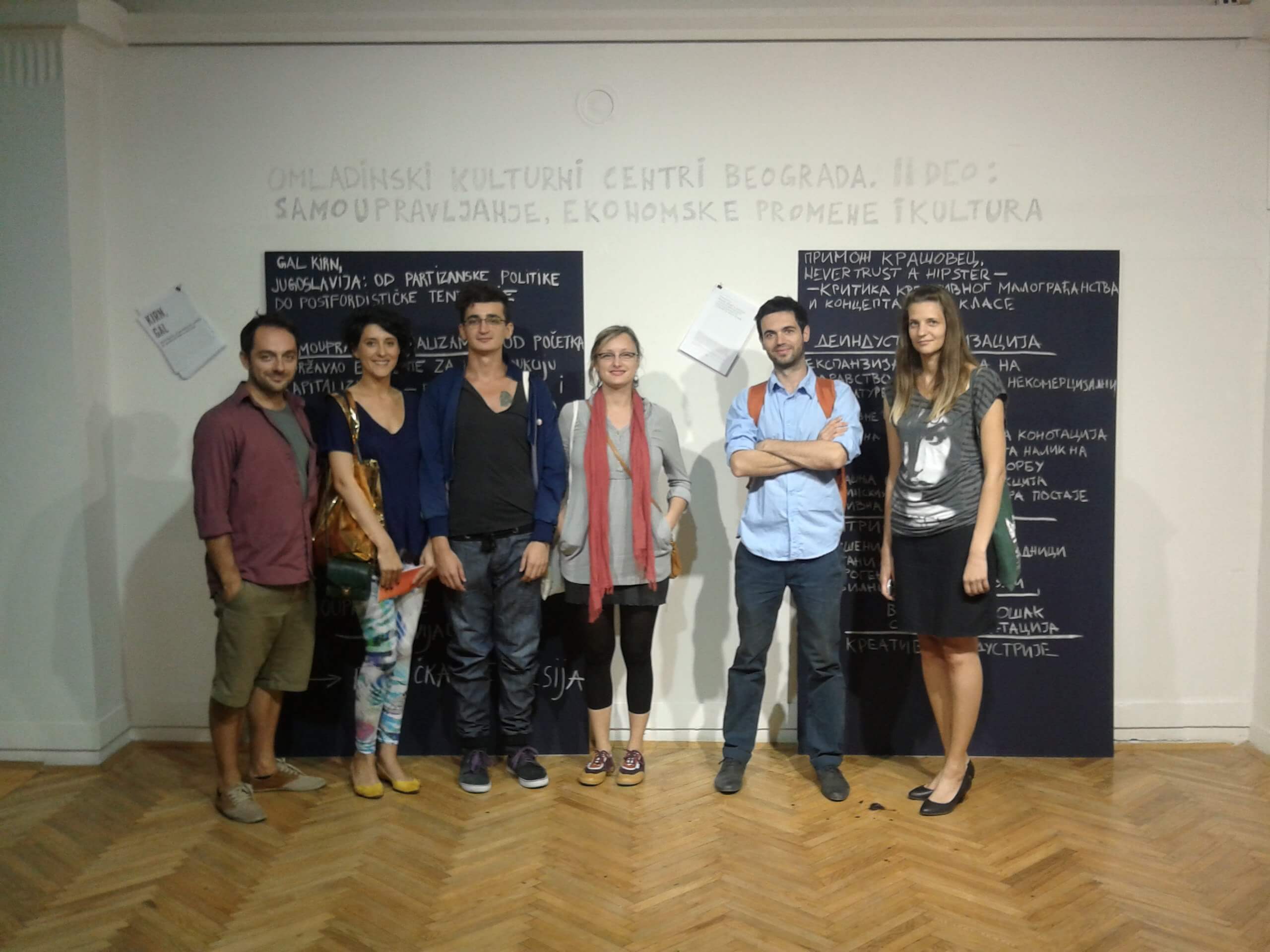
Discussants: Darko Vesić (graduate student in sociology, Center for Emancipation Policies), Gordana Nikolić (theorist and curator, MSUV Novi Sad)
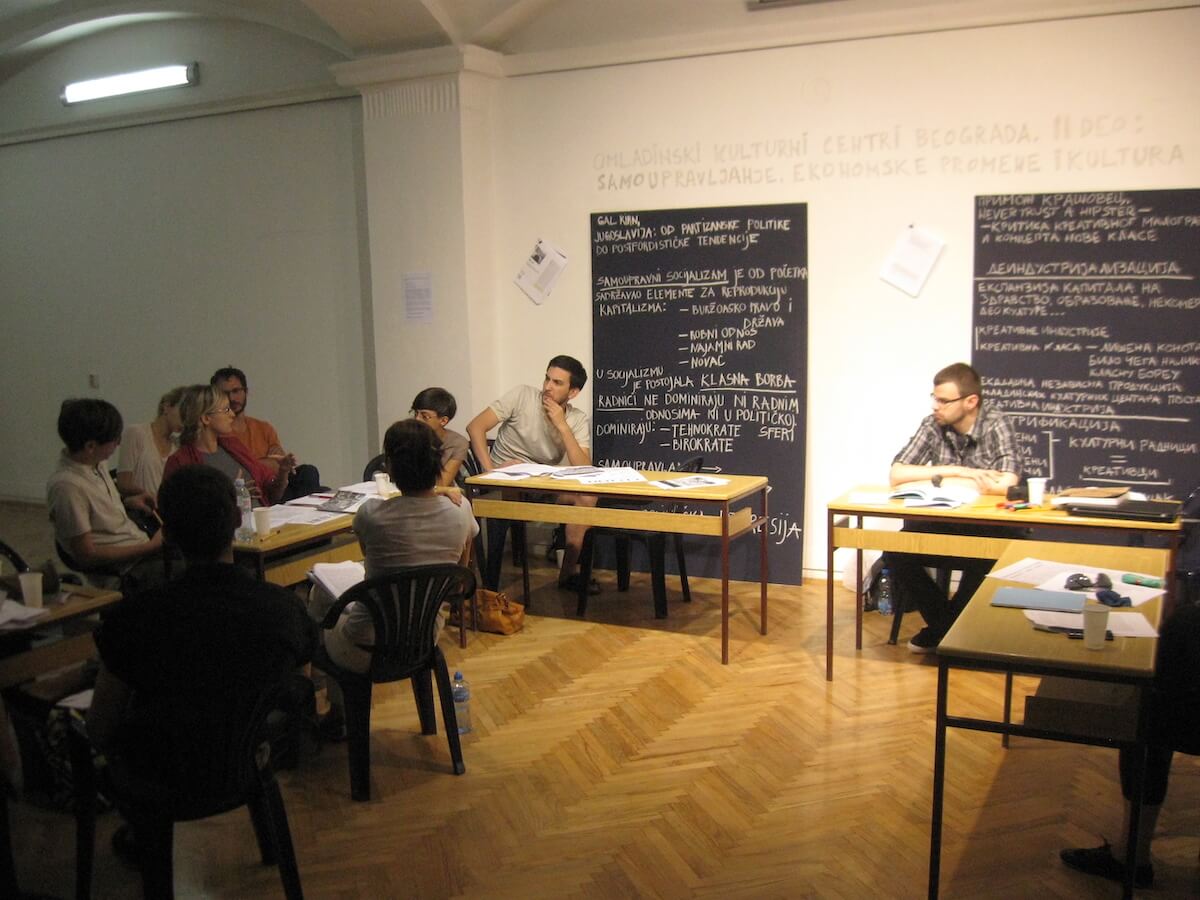
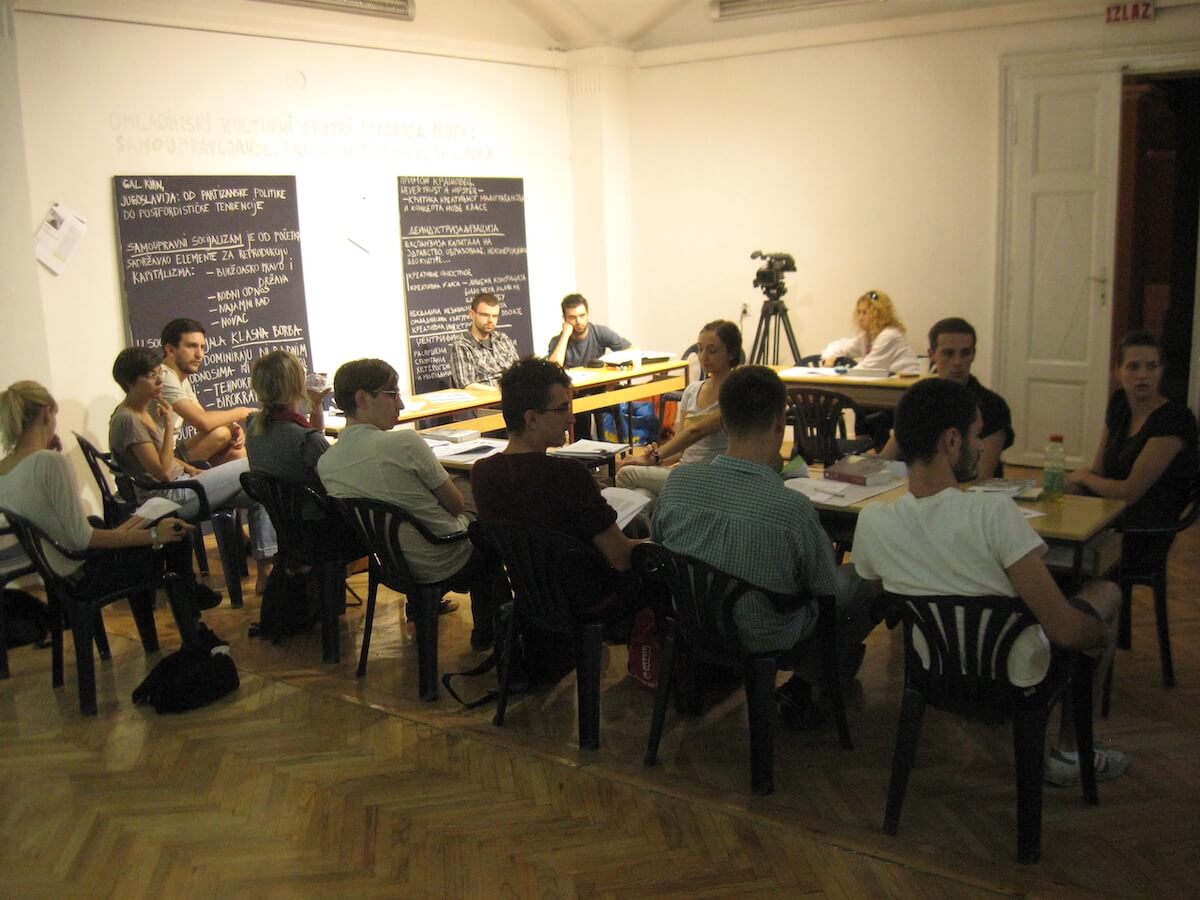
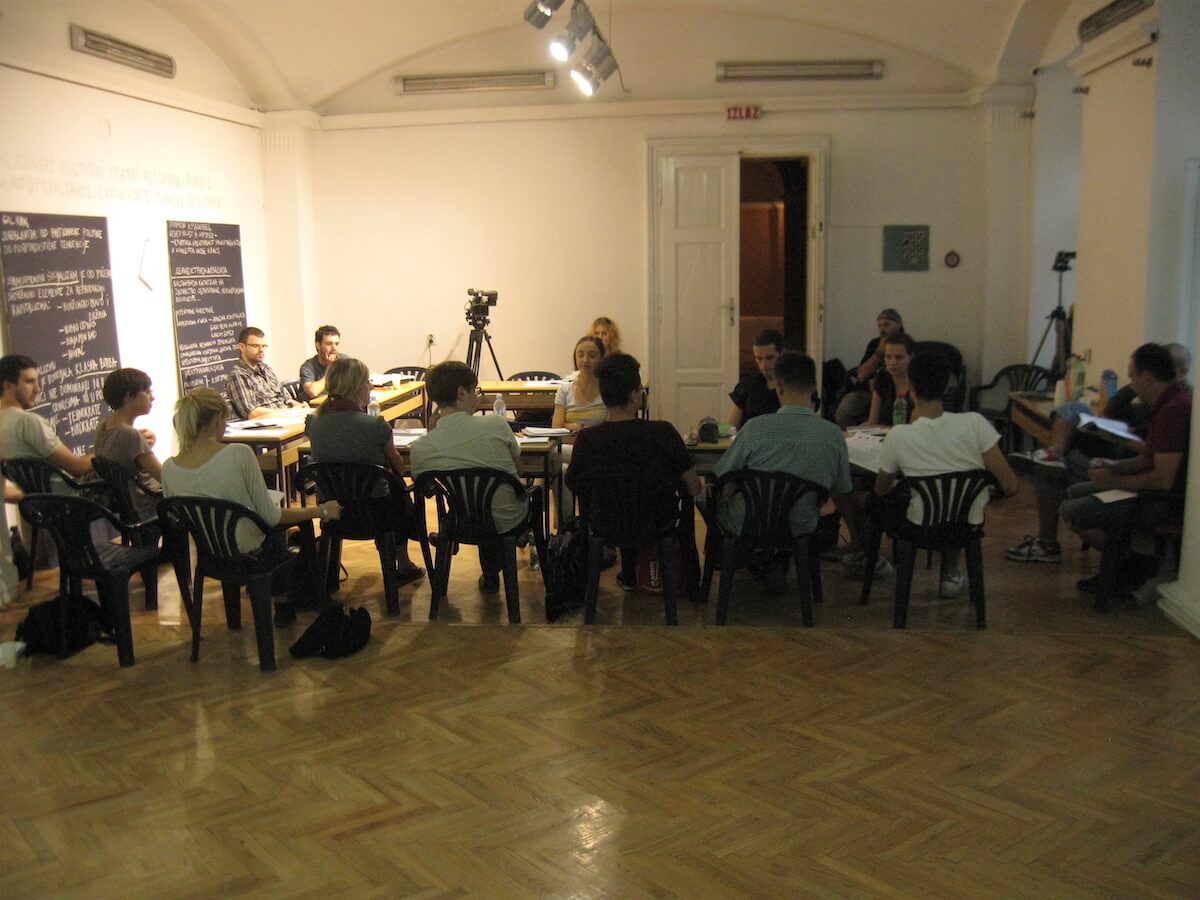
The conversation “Youth cultural centers of Belgrade. Part II: Self-management, economic changes and culture” is a continuation of the examination of the theoretical theses that proved to be the most interesting during the workshop and which enabled further discussion of the topic. On this occasion, we will deal with the consideration of complex changes both within economic policies in socialist Yugoslavia, as well as in modern capitalist states created by its disintegration, as well as ideological influences on cultural production and the issue of work in culture.
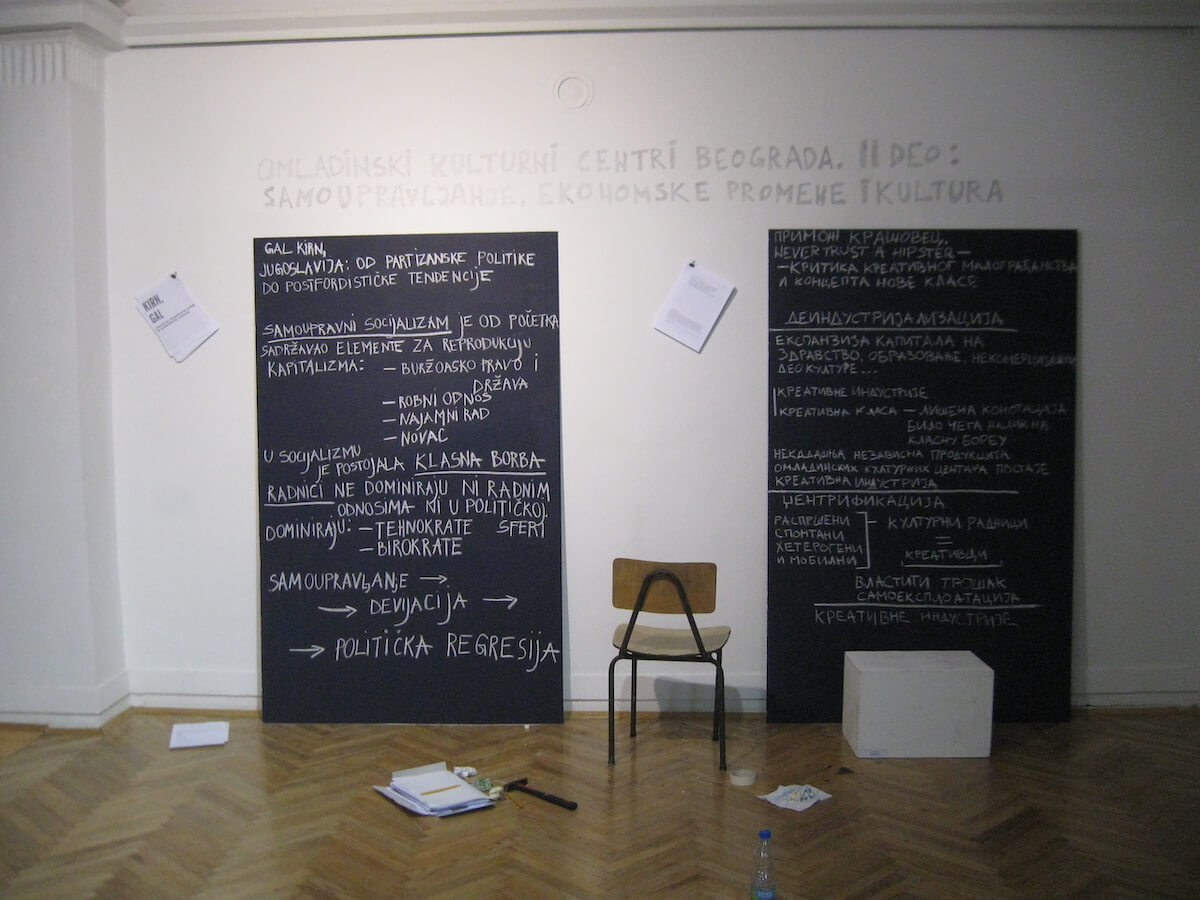
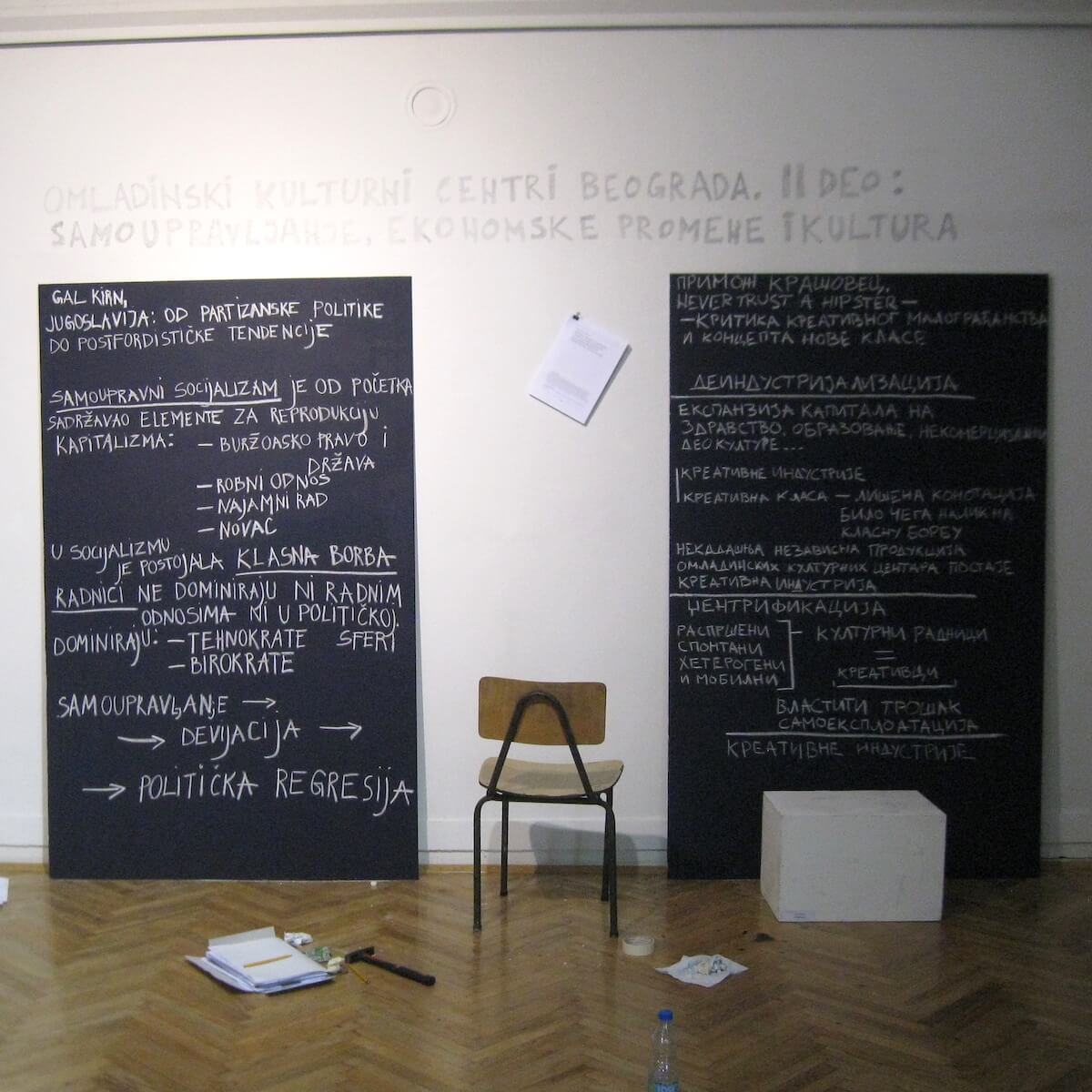
We started the discussion with theses presented in two texts: “Yugoslavia: from partisan politics to post-Fordist tendencies” by Gal Kirn and “NEVER TRUST A HIPSTER – criticism of the creative petty bourgeoisie and the concept of a new class” by Primož Krašovec.
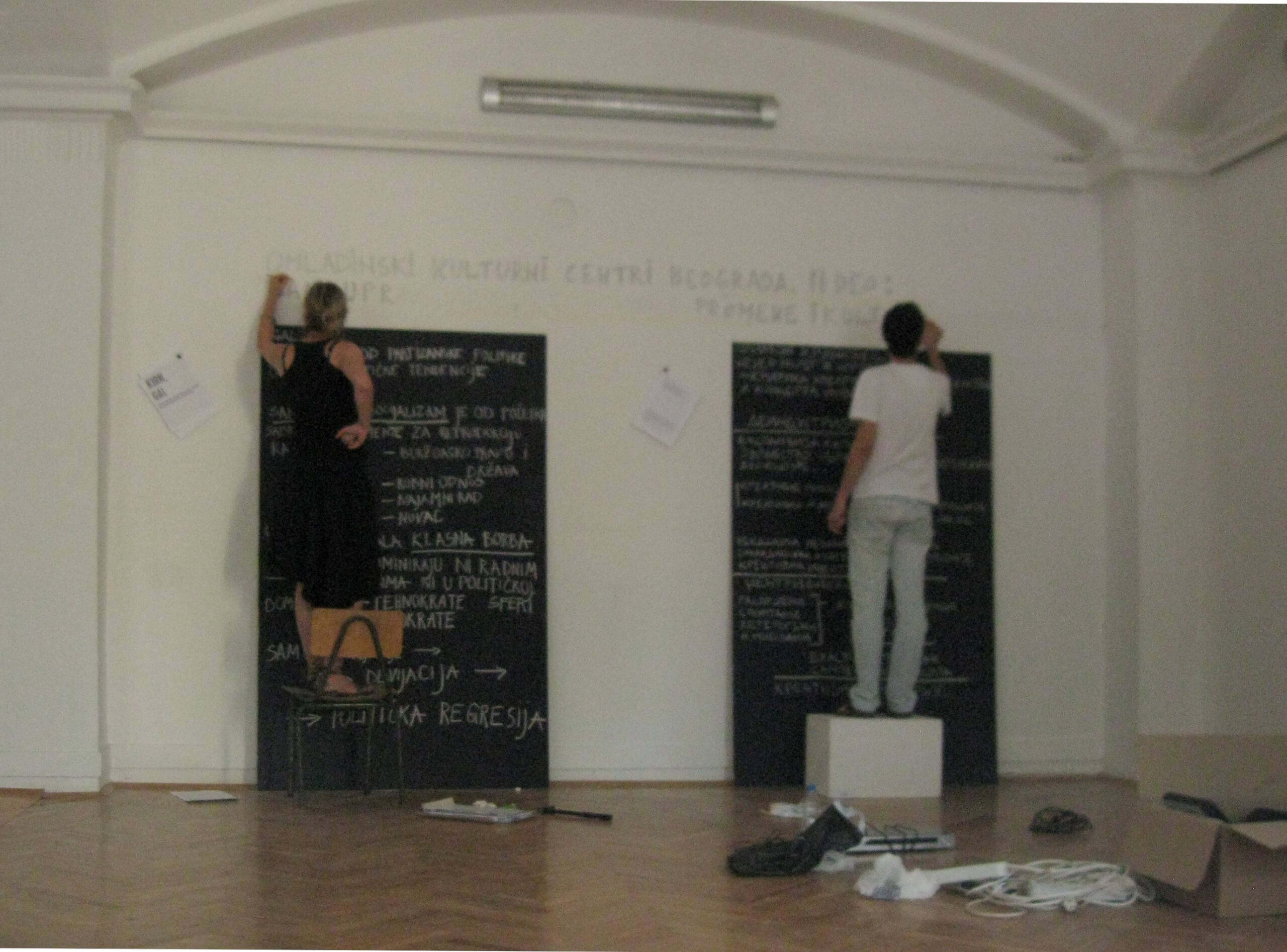
The key theses of these two texts in the form of writing on blackboards were an integral part of the exhibition within the 15th Biennale of Art in Pančevo.
Apart from these two texts which were the basis of the discussion at the Art Biennale in Pancevo, during the workshop held in Belgrade we used the following texts:
- Milivoj Bešlin, “Uticaji juna ‘68 na političku situaciju u Jugoslaviji”; “Društvo u pokretu: Novi društveni pokreti u Jugoslaviji od 1968 do danas”, Cenzura, Novi Sad 2010. ako.rs/sites/ako.rs/files/drustvo-u-pokretu.pdf
- Dušan Grlja, “Kulturna politika u SFRJ posle ’68: SKC kao institucija”; katalog “Političke prakse (post)jugoslovenske umetnosti, Retrospektiva 01”, Prelom kolektiv, Beograd, 2009.
- Јelena Vesić, “Nove umetničke prakse u Jugoslaviji: od levičarske kritike birokratije do postkomunističkog artefakta u neoliberalnoj instituciji umetnosti”; katalog “Političke prakse (post)jugoslovenske umetnosti, Retrospektiva 01”, Prelom kolektiv, Beograd, 2009.
- Jelena Vesić, “Oktobar 75. Slučaj SKC-a 70-ih”
- Stojanović, Branimir: Partizanska histerija – istina jugoslovenskog socijalizma, Up&Underground, 2010. up-underground.com/brojevi/17-18/07/
- Stevan Vuković, “Pesimizam intelekta, optimizam volje (Institucionalna kritika u Srbiji i nedostatak njenih organskih referenci” eipcp.net/transversal/0208/vukovic/sr
- Zagorka Pešić, “Kultura kao most između utopije i realnosti”, Praxis 1-2, 1972. praxis.anarhija.org