Where Futures Take Root: Anthropogeography of the Bor Mine
a research walk through the landscape of extractivism, labor and resistance
March 21, 2026, 13:00-16:00
Where Futures Take Root: Anthropogeography of the Bor Mine
a research walk through the landscape of extractivism, labor and resistance
March 21, 2026, 13:00-16:00
Departure:
National Library, Bor
Moše Pijade 19, Bor
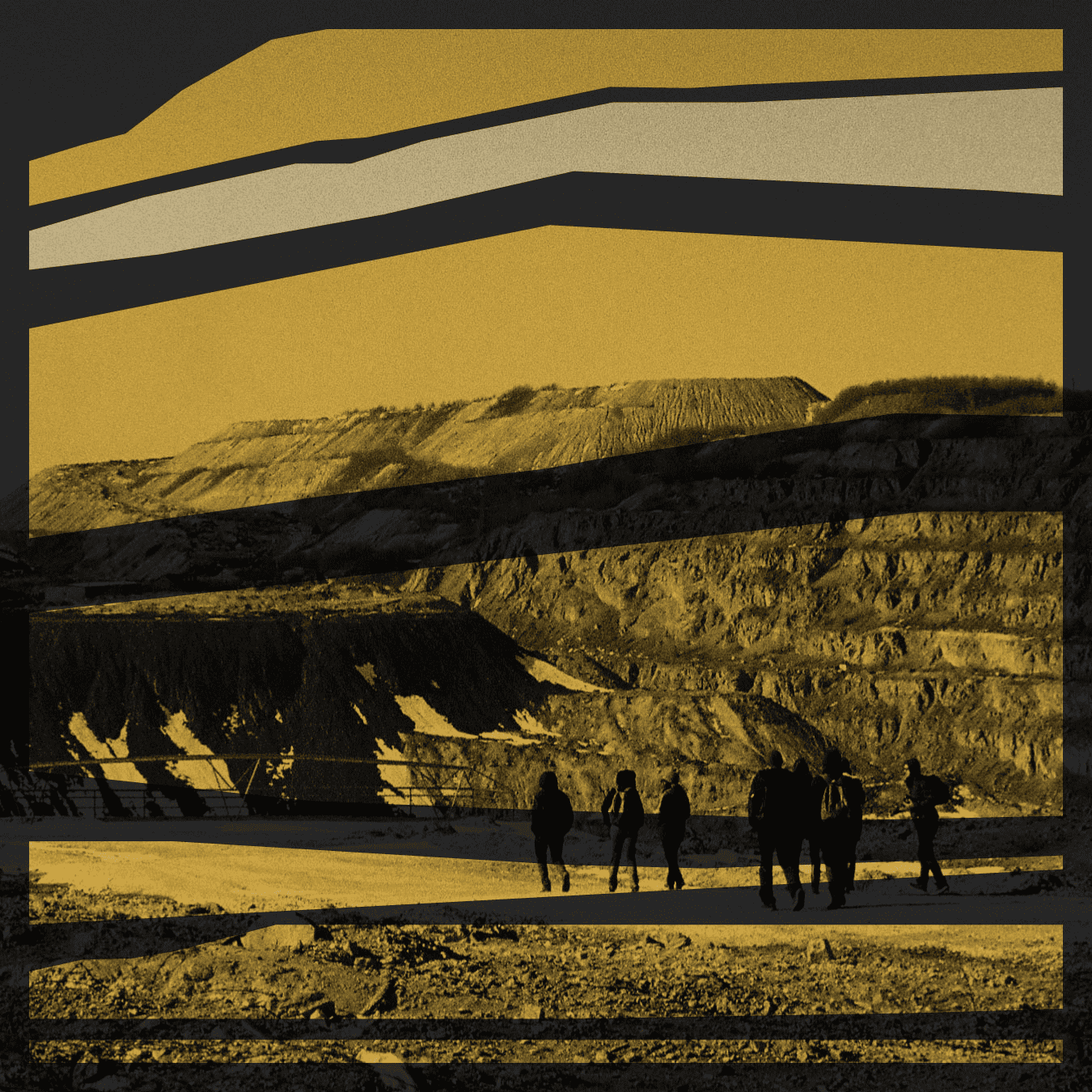
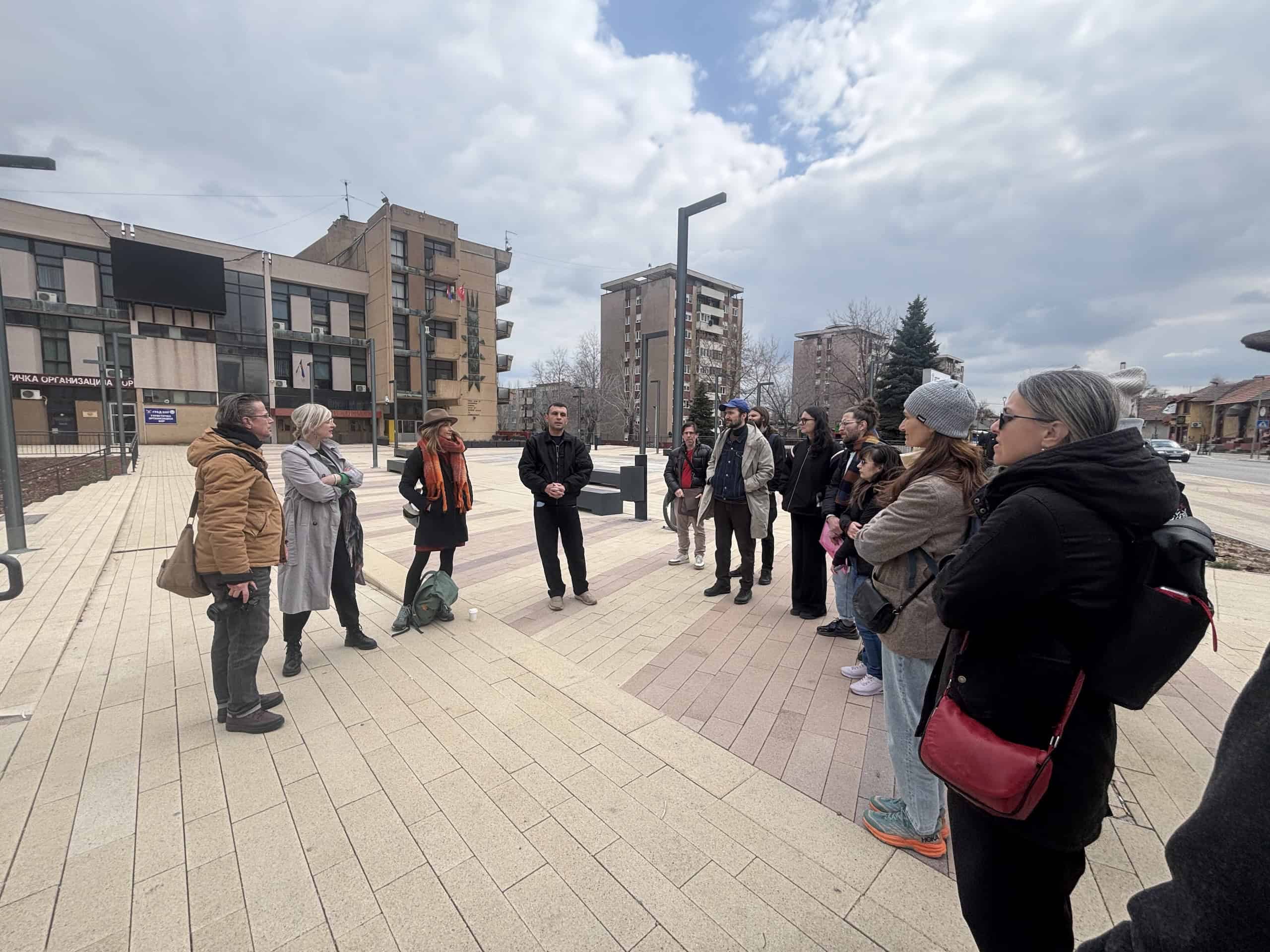
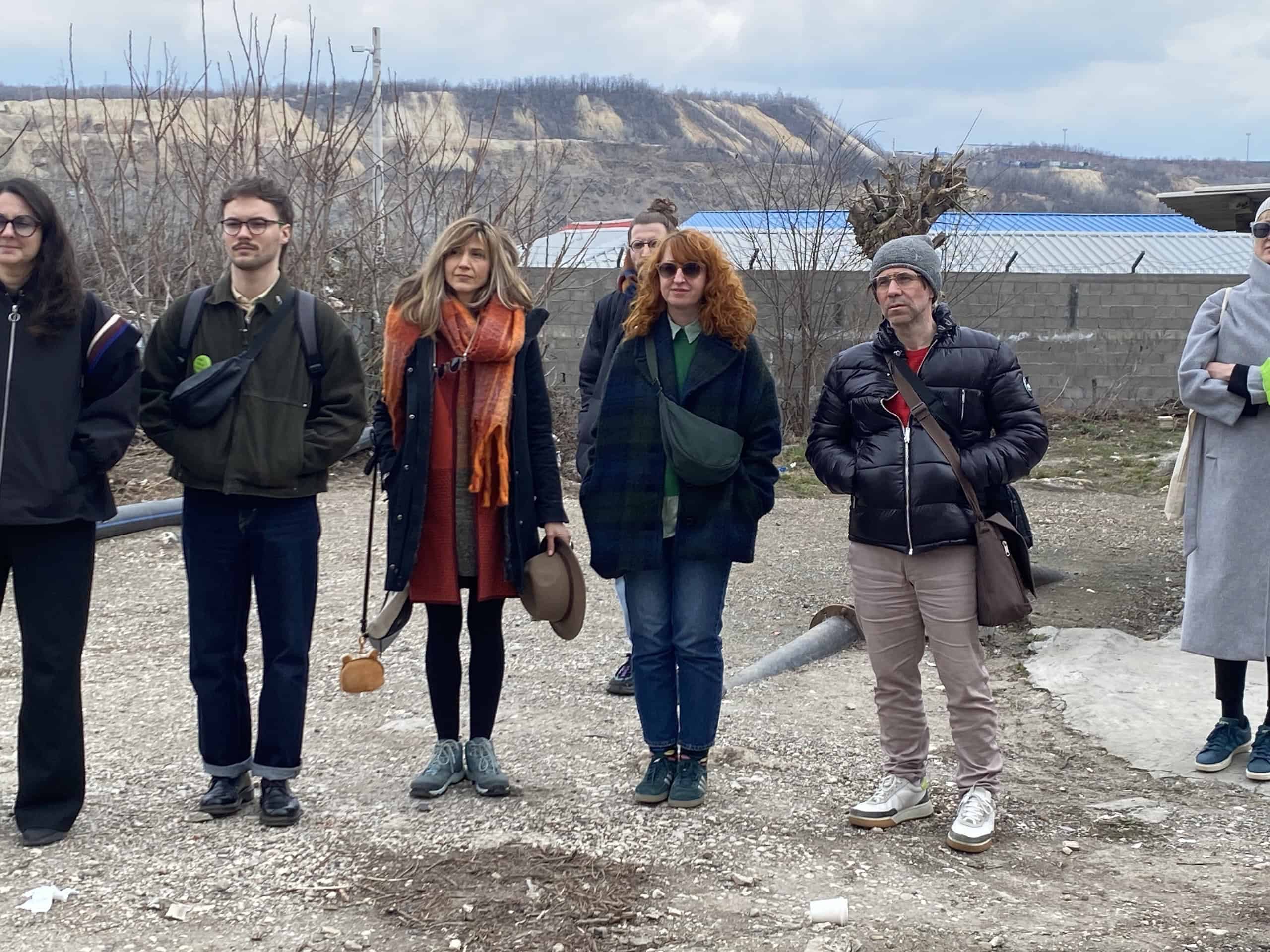
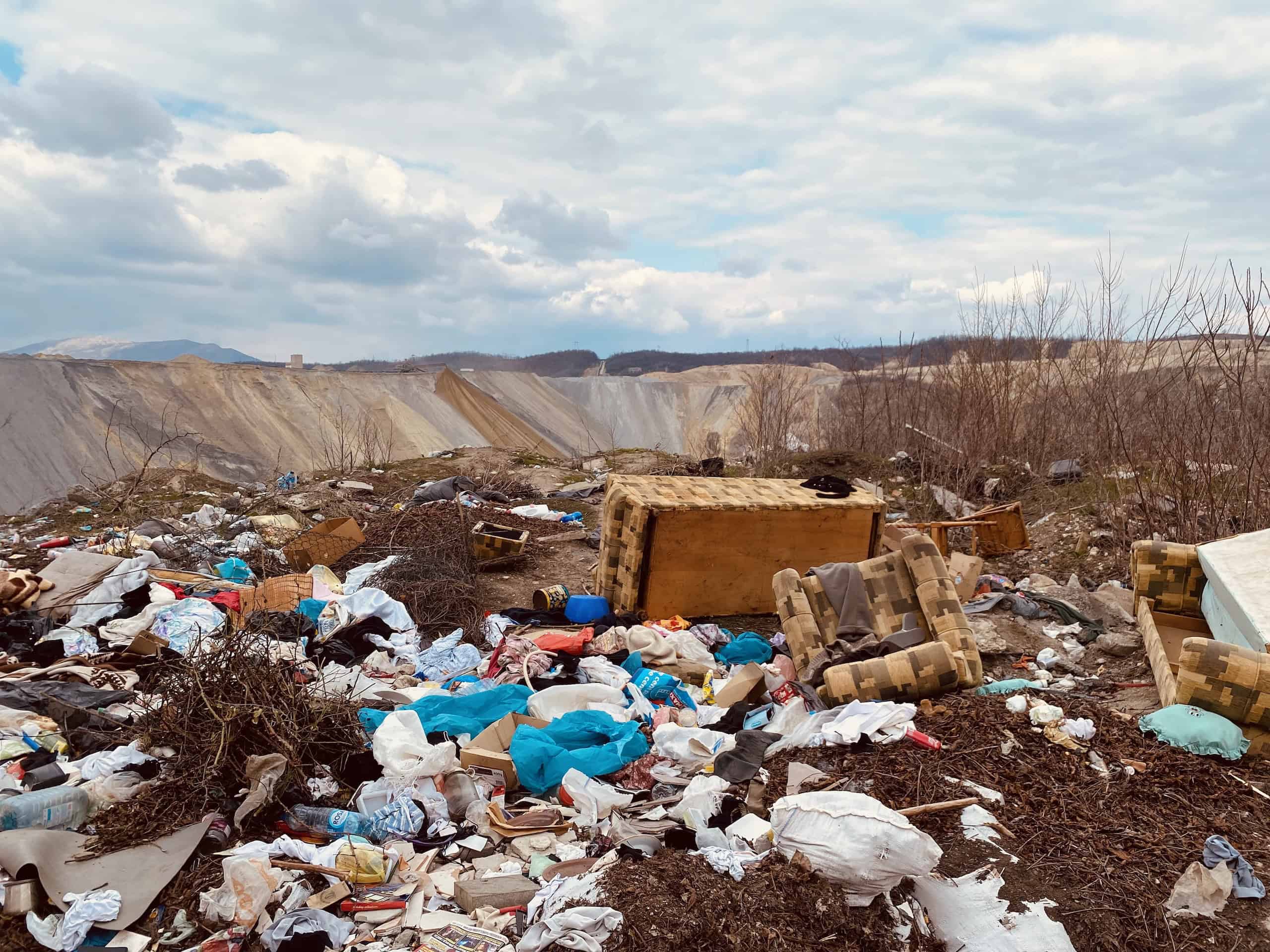
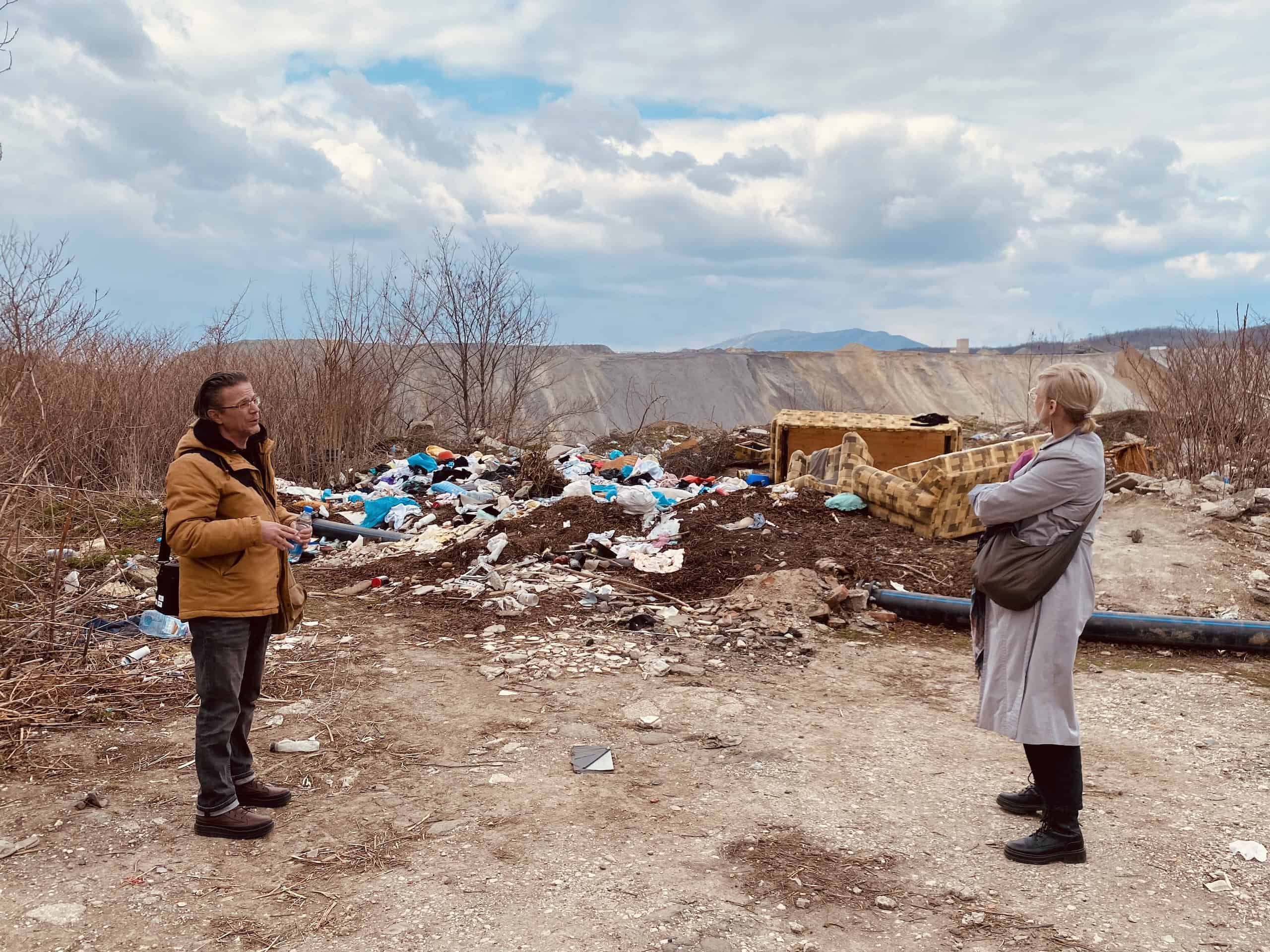
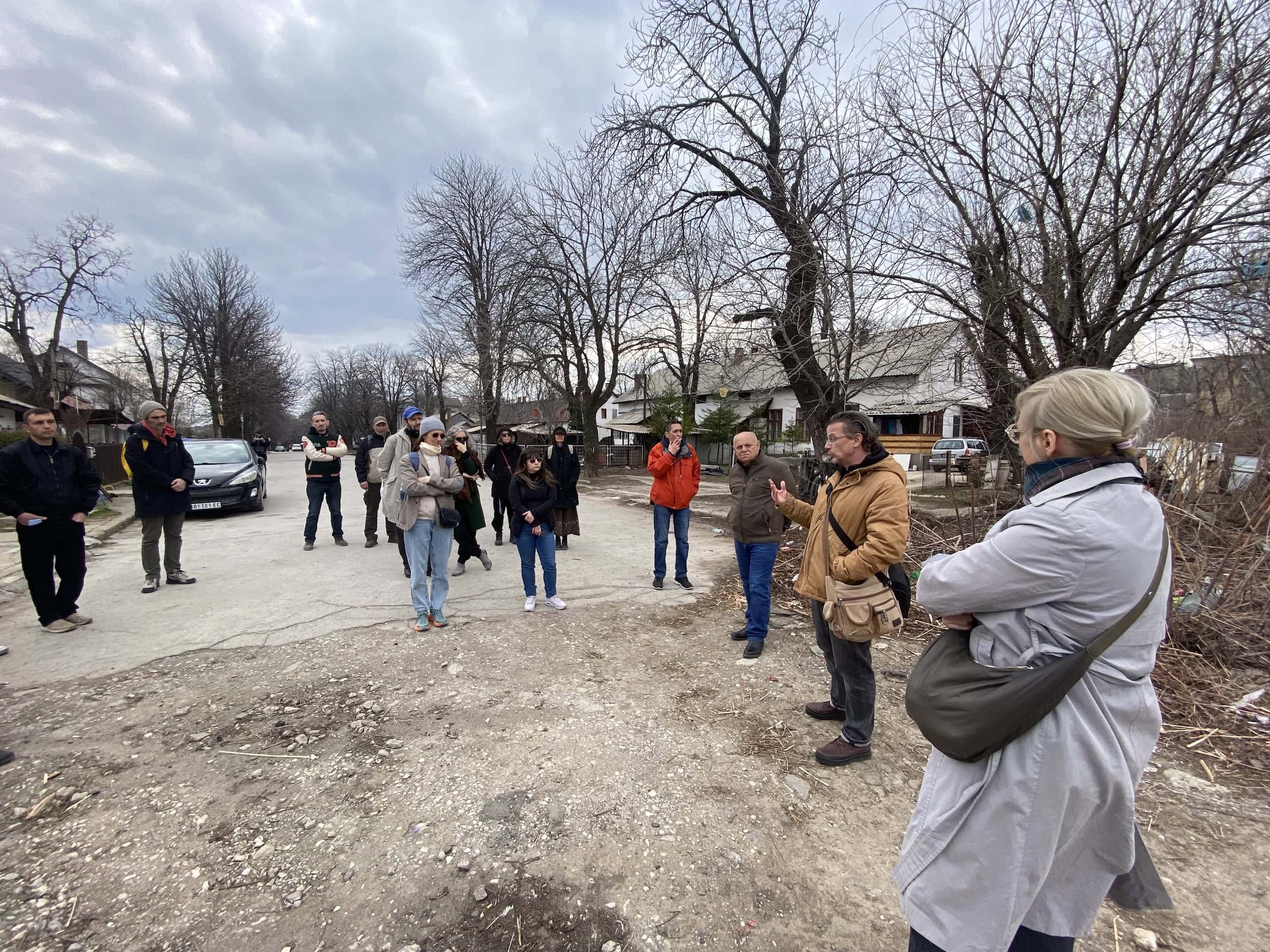
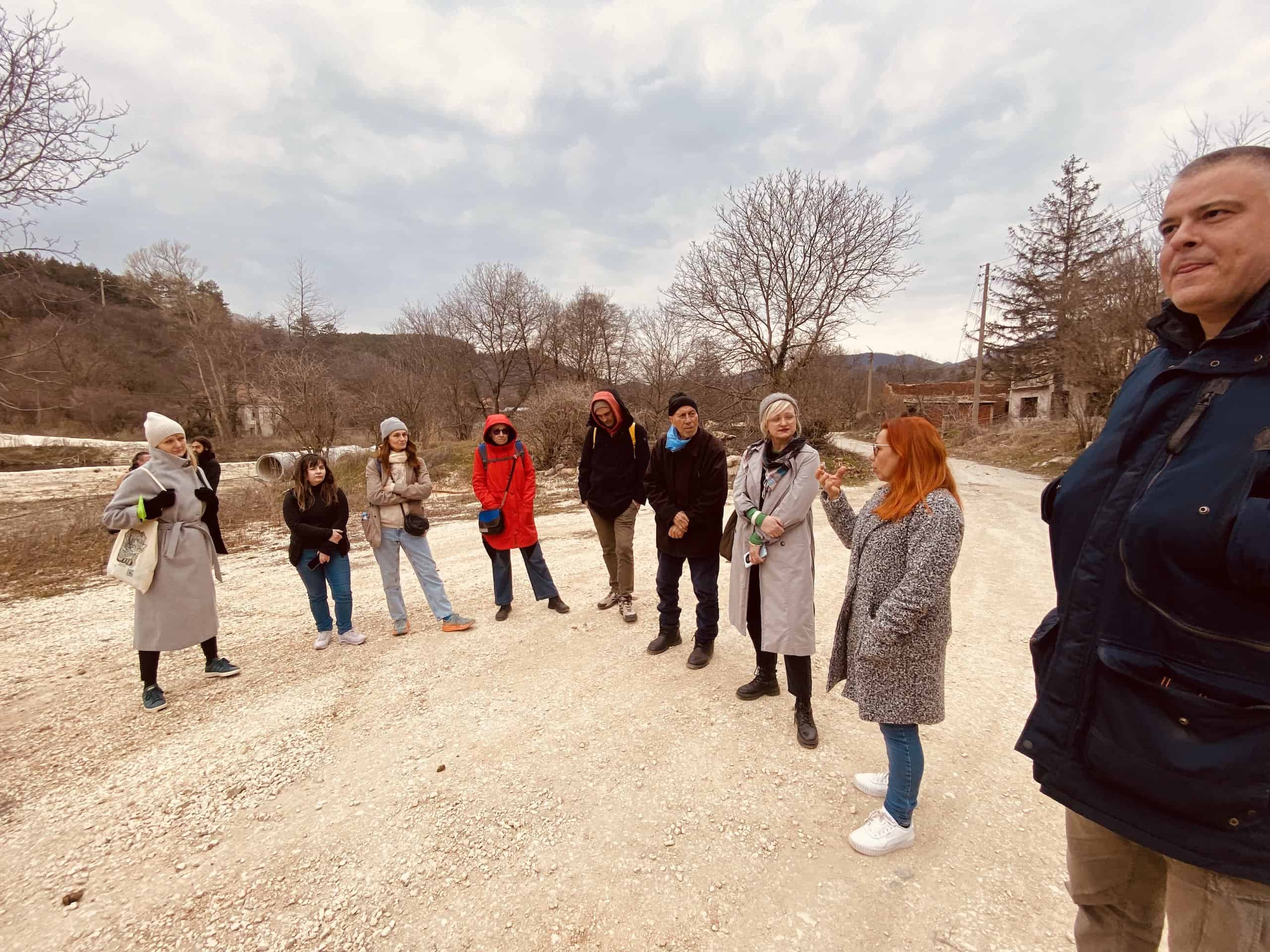
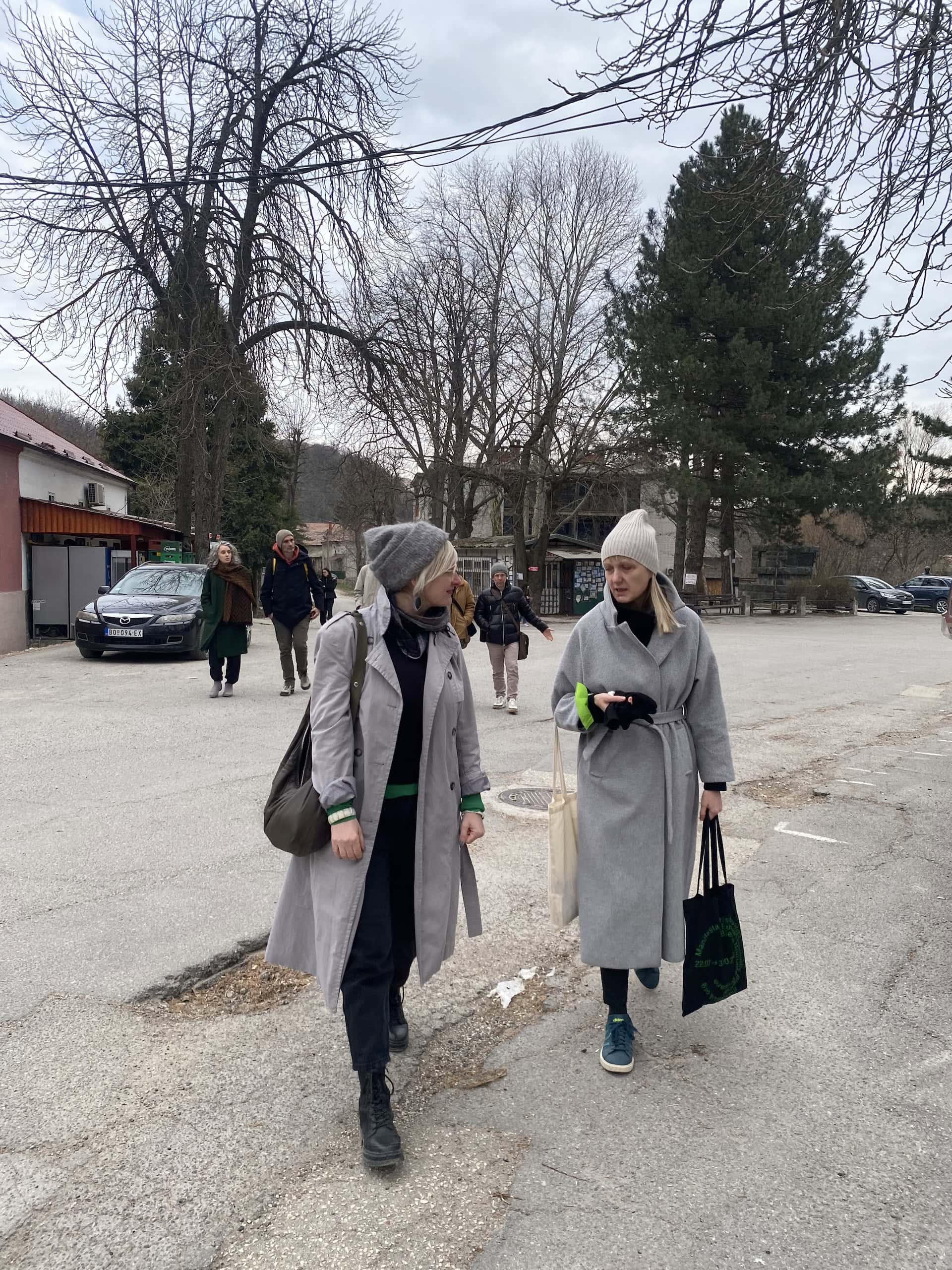
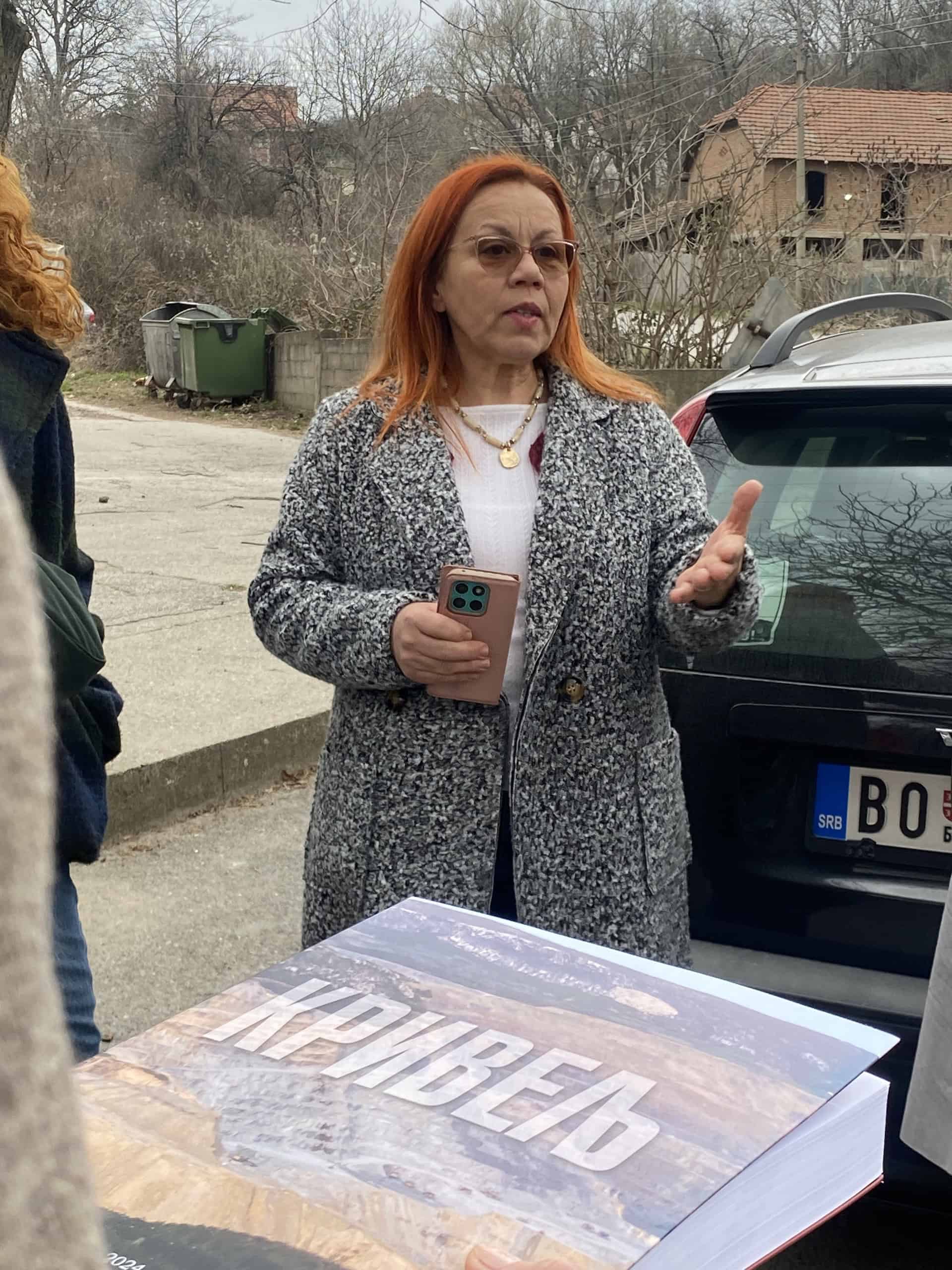
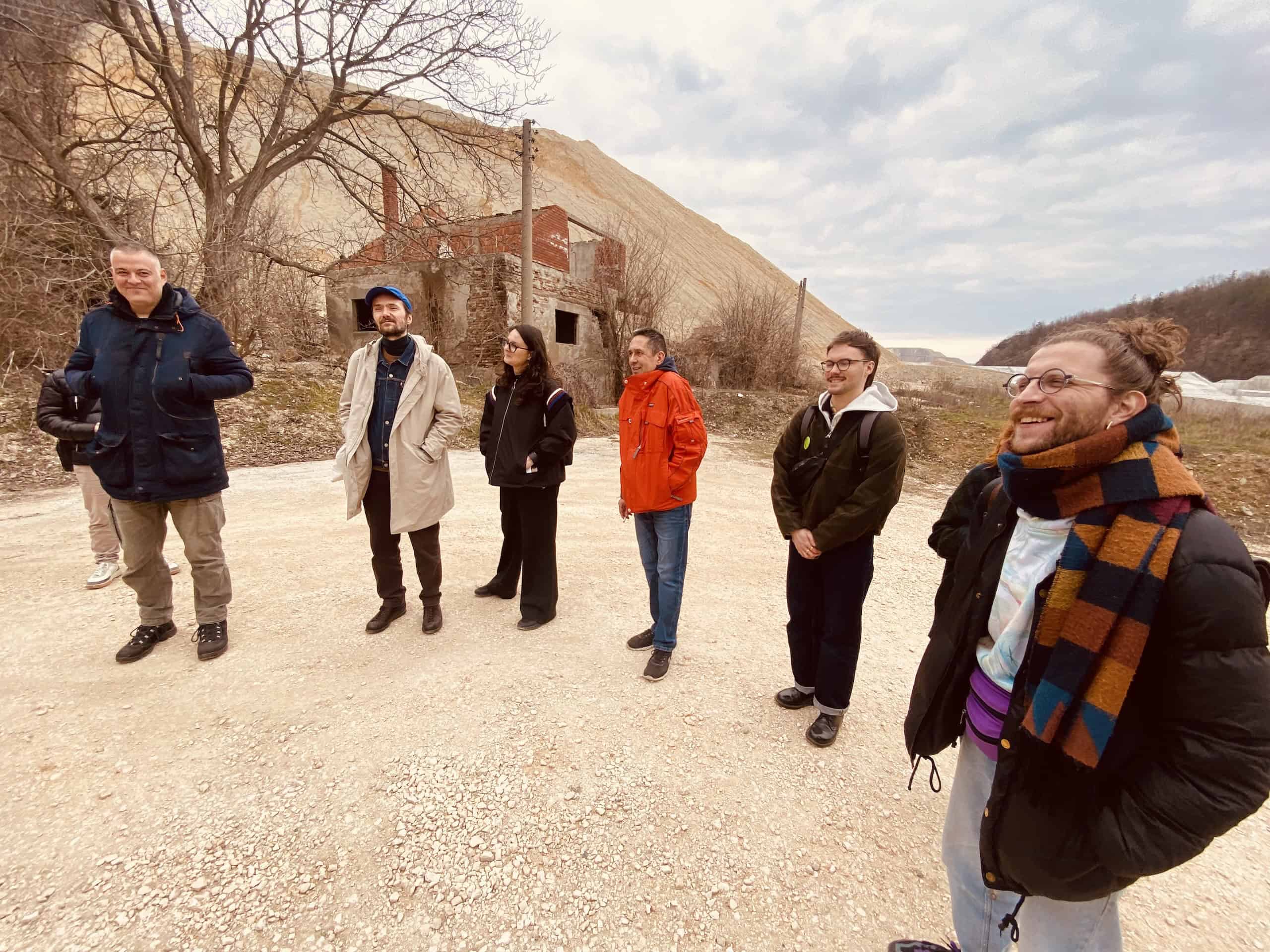
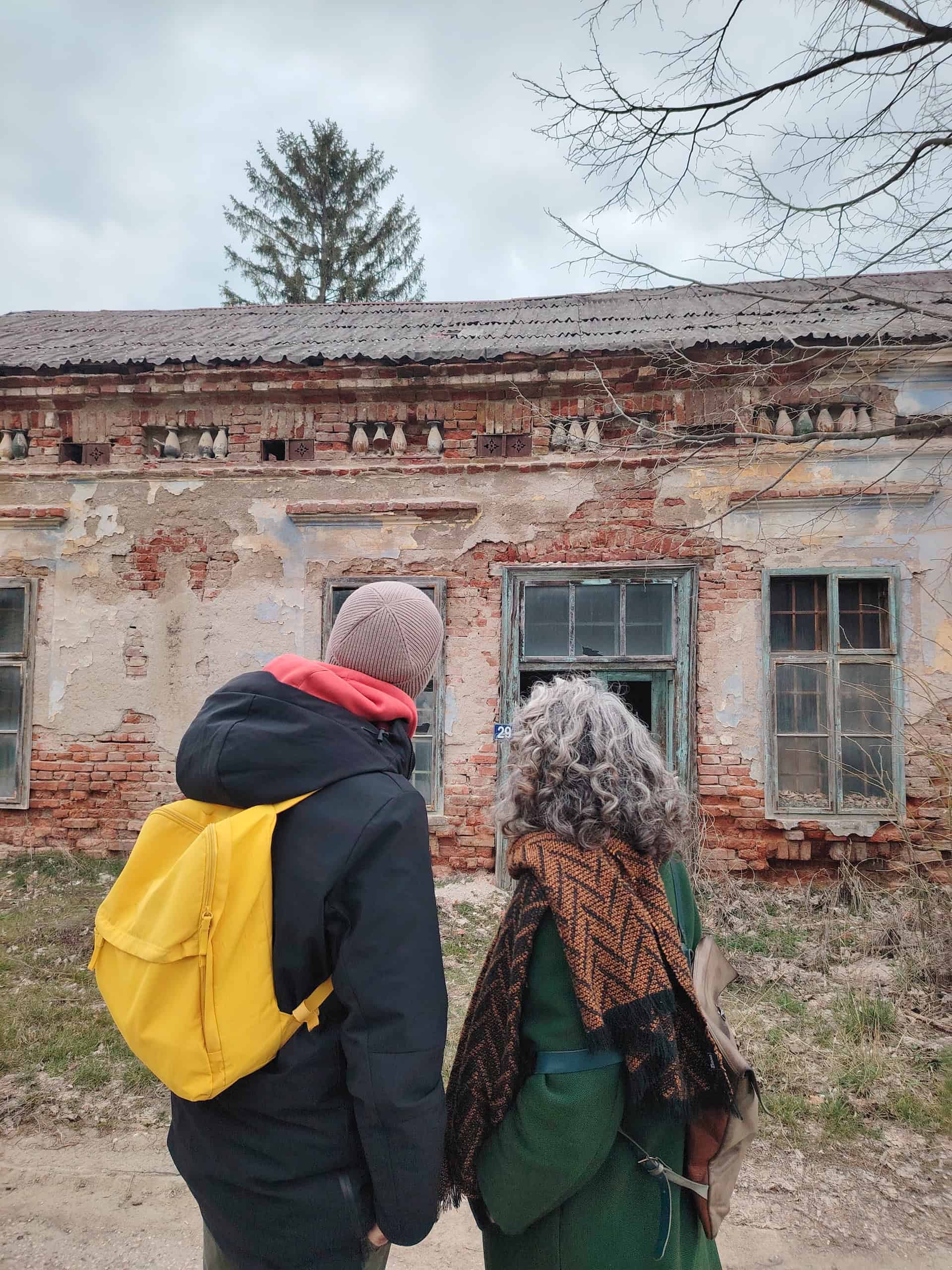
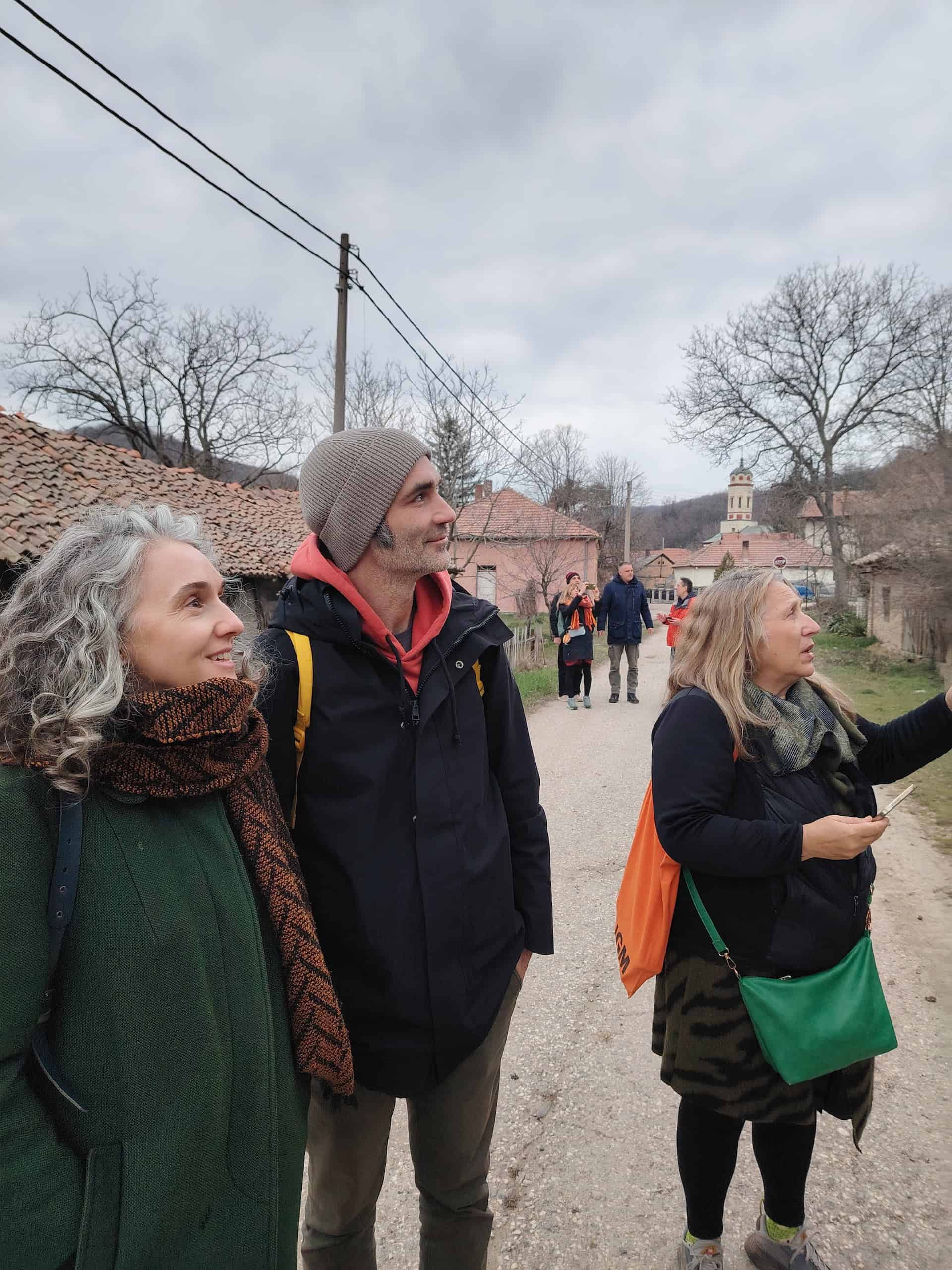
The research walk “Where Futures Take Root: Anthropogeography of the Bor Mine” guides participants through Bor and its surroundings, experienced as a living archive of relations between nature, capital and the local community. The mine is viewed not only as an industrial space but as a political landscape in which colonial relations, workers’ and antifascist struggles, socialist social relations, as well as the everyday life of local residents and their struggle against land dispossession and the brutal pollution of water and air intertwine over time.
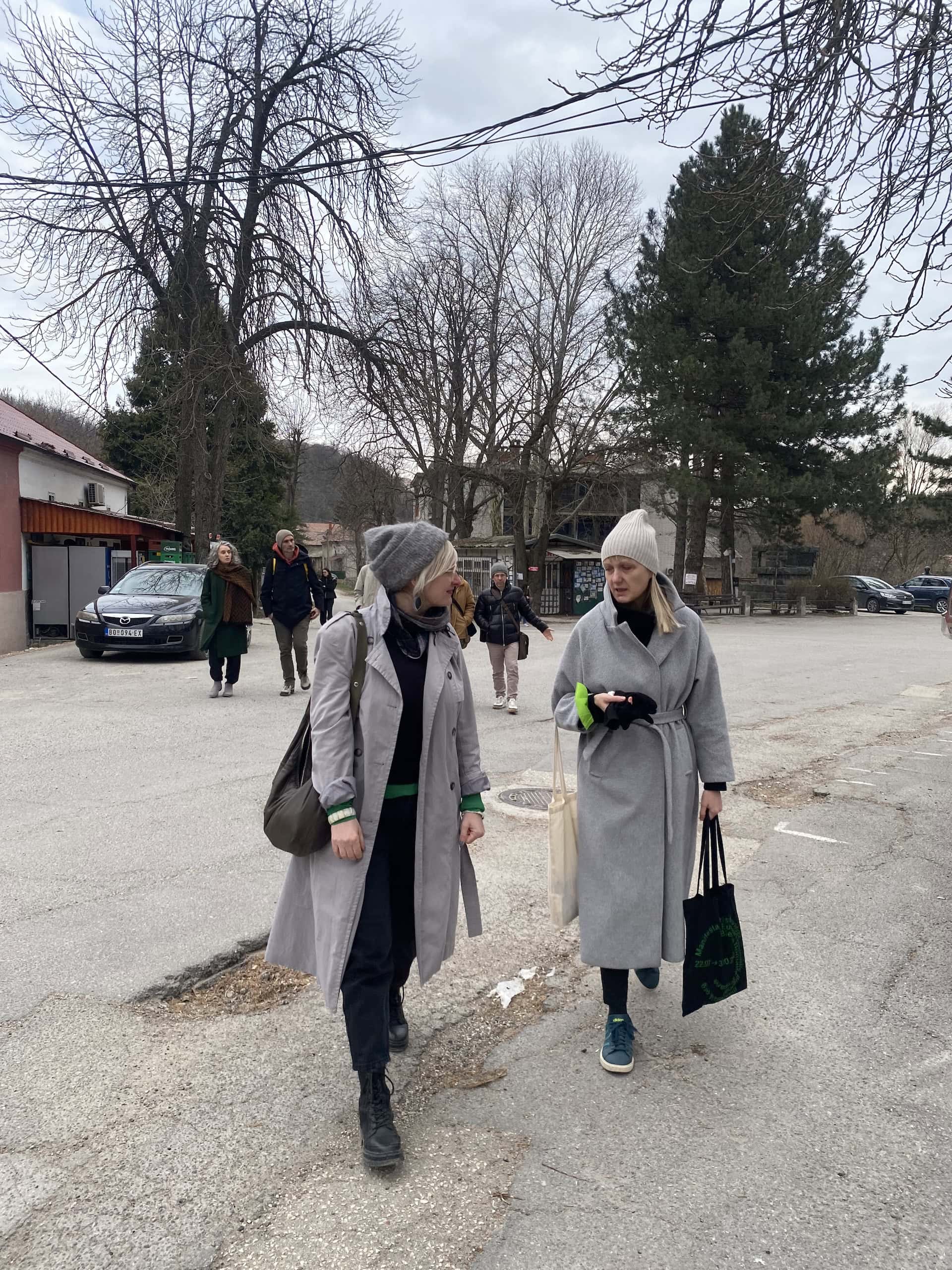
The walk serves as a form of public learning and provides a frame of critical reflection on the city and its surroundings. Through conversation, mapping and interpreting the space, it opens questions about resource exploitation, ecological consequences of mining, transformation of labor and the place of Bor within contemporary geopolitical and economic processes. At the same time, the walk represents a practice of forming collective memory: it invites participants to take time to observe and question the dominant narratives about “development,” industry and the future of the city and its surroundings.







★★★
The research segment “Where Futures Take Root: The Case of Bor” is part of the long-term curatorial, artistic and research project of Kontekst Collective titled “Where Futures Take Root: Collective Practices of Resistance, Solidarity and Future-Building” (2025 – ongoing), which addresses extractivism as a regime — economic, political and ideological — that shapes and destroys nature, the living world and social relations. The project brings together art collectives, artists, researchers, as well as various local communities around shared struggles against the exploitation of natural resources, the transformation of landscapes into resources, the exhaustion and erosion of labor rights, and ever deeper spatial and social injustices.
Through research, workshops, working meetings and public programs, engaged artistic practice meets local knowledge and struggle. These encounters serve as spaces of exchange, learning and collective reflection — but also as a contribution to connecting struggles that are often isolated and left to confront these processes on their own.
The project is supported by the Rosa Luxemburg Stiftung Southeast Europe.